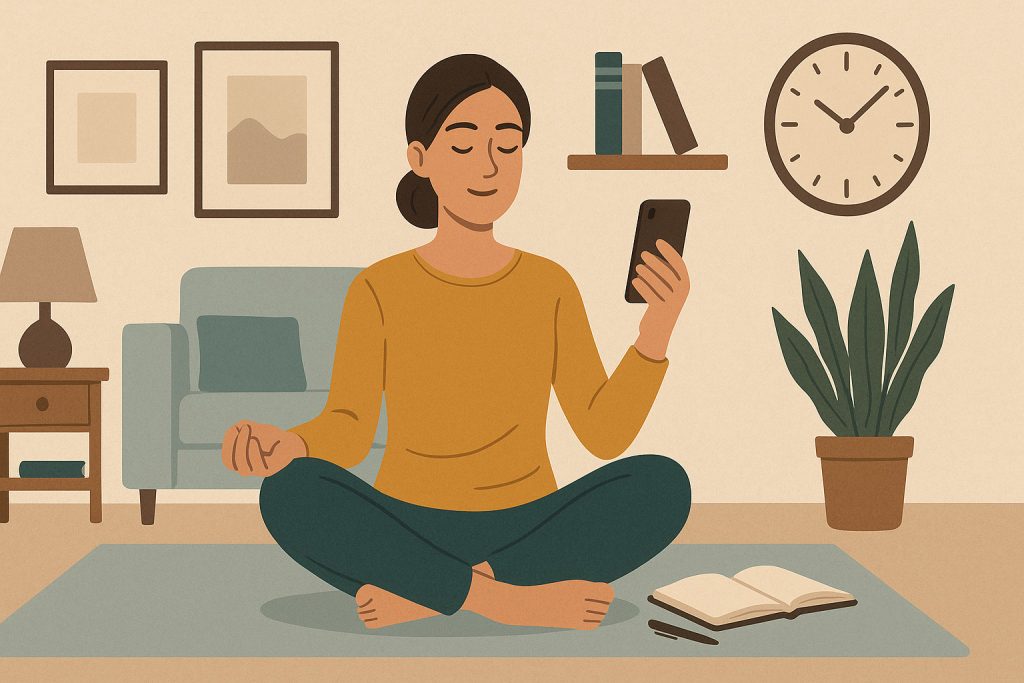
Silent Habits of People Who Always Seem to Have It Together
In a world that often feels chaotic and unpredictable, some individuals manage to convey a profound sense of confidence and composure. These people possess an aura of control and tranquility, leaving us to wonder how they do it. What are the silent habits that allow them to navigate life’s storms with poise? This article explores the subtle yet powerful practices of those who consistently appear to have their lives in order.
Understanding the Power of Silent Habits
Before diving into the specific habits, it’s essential to understand what we mean by “silent habits.” These are not loud declarations or visible routines; rather, they are often subtle behaviors and mindsets that can easily go unnoticed yet yield significant results. These individuals often embody a state of emotional intelligence, self-discipline, and time management that keeps them grounded.
Many of these habits are cultivated over time, often through trial and error, experience, and mindfulness. By adopting some of these practices, anyone can enhance their own sense of stability and confidence.
The Importance of Mindfulness and Presence
One of the key silent habits of individuals who seem to have it together is their ability to remain mindful and fully present in the moment. Mindfulness involves focusing on the present without judgment. This practice allows these individuals to manage stress effectively, make better decisions, and communicate more effectively.
Benefits of Mindfulness
- Reduced Stress: Studies show that mindfulness can lower anxiety levels significantly, helping to create a more serene mindset.
- Improved Focus: When you are present, you can concentrate better on tasks, leading to increased productivity.
- Enhanced Decision-Making: Mindfulness promotes clarity and insight, which helps in making sound decisions based on the reality of the situation rather than emotional reactions.
Incorporating mindfulness into your daily routine doesn’t require hours of meditation. Simple practices like deep breathing, observing your surroundings, or focusing on one task at a time can have profound effects.
“The most important skill of all is to be present and fully engaged in the moment,” says Dr. Jon Kabat-Zinn, creator of the Mindfulness-Based Stress Reduction program.
Building Effective Routines
Another common trait among individuals who appear to have their lives together is the establishment of effective routines. Routines create structure in our lives, making it easier to handle day-to-day responsibilities.
Key Components of a Strong Routine:
- Morning Rituals: Starting the day on a positive note sets the tone for everything that follows. This could include exercise, reading, or journaling.
- Time Blocking: Allocating specific time slots for tasks ensures focused work periods and can minimize procrastination.
- Consistent Sleep Schedule: Quality sleep is often overlooked but is crucial for maintaining focus, productivity, and emotional regulation.
Routines don’t have to be rigid; rather, they should be tailored to fit your lifestyle and preferences. Over time, these routines can help establish a sense of stability and control.

Image Source: Viral Daily Now
The Role of Emotional Intelligence
Emotional intelligence (EI) is another silent habit that separates those who have it together from the rest. This competence involves the ability to recognize, understand, and manage one’s emotions as well as the emotions of others.
Elements of Emotional Intelligence:
- Self-Awareness: Understanding your feelings and emotional triggers helps in responding rather than reacting to situations.
- Self-Regulation: This includes managing your emotions in a healthy way—such as remaining calm under pressure and controlling impulsive behaviors.
- Empathy: Being able to empathize with others can improve relationships and communication, which in turn creates a support network that can greatly enhance personal resilience.
Integrating emotional intelligence into your interactions can lead to more meaningful relationships and a greater sense of belonging, further enhancing your reliability and calmness amidst chaos.
Prioritizing Self-Care
It’s crucial to recognize that those who seem to thrive often prioritize self-care. Contrary to popular belief, self-care is not a luxury; it’s a necessity for lifelong well-being.
Impact of Self-Care on Daily Life:
- Increased Energy Levels: Taking time for activities that you enjoy or that promote relaxation can rejuvenate your mind and body.
- Greater Resilience: Those who engage in regular self-care are better equipped to handle stressors and challenges.
- Improved Mental Health: Regular self-care can lead to decreased anxiety and depression, allowing you to approach life with more clarity.
Self-care can be as simple as taking an evening walk, reading, or enjoying a nice bath. Find activities that resonate with you and prioritize them in your routine.
Practicing Gratitude
Gratitude is a transformative silent habit that entails recognizing and appreciating the positives in life. People who practice gratitude tend to have a more optimistic outlook and report higher levels of happiness and life satisfaction.
How to Cultivate Gratitude:
- Gratitude Journals: Write down three things you are thankful for each day to help shift your perspective.
- Expressing Thanks: Take the time to thank someone for their influence or support, either verbally or through a note.
- Mindful Reflection: At the end of the day, take a moment to reflect on positive occurrences, no matter how small.
By actively practicing gratitude, we can foster a mindset that focuses on solutions rather than problems, which is essential when dealing with life’s challenges.
Building a Support Network
No person is an island, and those who seem to have it together often rely on a support network of friends, family, and mentors.
Benefits of a Strong Support Network:
- Emotional Support: Having someone to talk to can help alleviate feelings of loneliness and anxiety.
- Diverse Perspectives: Friends and family can offer insight that may challenge your current beliefs and broaden your understanding.
- Accountability: Having supportive friends can help you stay accountable to your goals, whether personal or professional.
Investing time in relationships and nurturing connections can significantly enhance your emotional well-being and resilience.
Making Decisions with Intent
People who appear to have their lives under control often make decisions intentionally, weighing their options carefully rather than reacting impulsively. This habit includes setting clear goals and aligning daily actions with those goals.
Steps to Intentional Decision-Making:
- Define Your Values: Understand what matters most to you, as this will guide your decisions.
- List Pros and Cons: For important choices, creating a list can help clarify potential outcomes.
- Trust Your Instincts: Often, your gut feeling can provide valuable insights.
Deliberate decision-making can prevent regrets and foster a sense of empowerment within your life.
Conclusion: Adopting Silent Habits for a Better Life
Though everyone faces challenges and setbacks, incorporating silent habits into your daily life can create a lasting impact. From mindfulness and emotional intelligence to prioritizing self-care and building a solid support network, these practices contribute to a sense of stability, resilience, and overall well-being.
By consciously choosing to adopt these habits, you too can cultivate an aura of calm and control, empowering you to navigate life’s unpredictability with grace.
Q&A Section
Q: What is the simplest way to start practicing mindfulness?
A: Begin by setting aside just a few minutes a day to focus on your breath. Notice the sensations and thoughts that arise without judgment.
Q: How long does it take to see changes in my life by implementing new habits?
A: Consistency is key; typically, it takes about 21 to 66 days for new habits to become automatic. The more you practice, the more natural these habits will feel.
Q: Can I practice these habits without altering my entire routine?
A: Absolutely! Start small by introducing one habit at a time, and gradually integrate more as you feel comfortable.
For further insights into building discipline and mastering willpower, check out our detailed articles: How to Become the Most Disciplined Person You Know and Neurologist Explains How to Master Your Willpower.
By adopting and mastering these silent habits, you can join the ranks of those who seemingly have it all together, making your journey through life a more fulfilling and impactful experience.