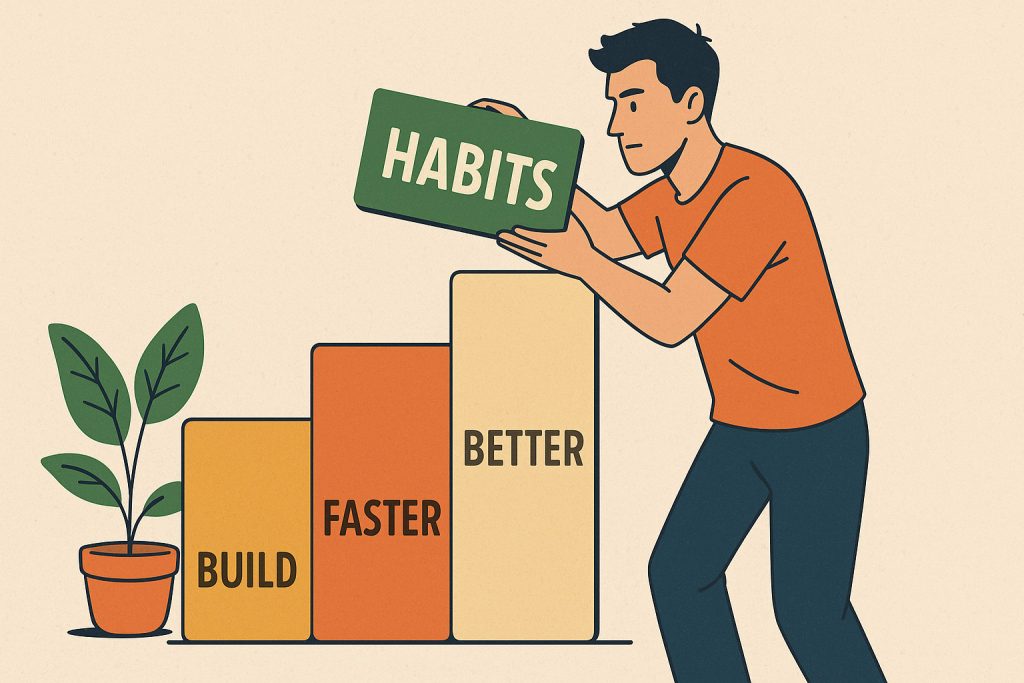
The Counterintuitive Way to Build Better Habits Faster
Building better habits is a quest many people embark on, hoping that it will lead to improved productivity, health, and happiness. However, contrary to popular belief, the road to habit formation isn’t always about sheer willpower or relentless discipline. In fact, sometimes taking a step back, inspecting our motivations, and understanding the psychology behind habit-building can be the key to success. In this article, we will explore the counterintuitive methods of building better habits faster, drawing on psychological principles, expert advice, and practical strategies.
Understanding Habit Formation
Before diving into the counterintuitive methods, it’s essential to grasp how habits are formed. Habits operate within a three-step loop: cue, routine, and reward. This loop is often referred to as the habit loop, a concept popularized by Charles Duhigg in his book The Power of Habit.
- Cue: The trigger that sets off the habit. This could be a time of day, emotional state, or environment.
- Routine: The behavior or action you take in response to the cue.
- Reward: The benefit you gain from the routine, reinforcing its repeatability.
Understanding this loop can pave the way to a more effective habit-forming strategy. But what if disrupting this loop is the secret to accelerating habit formation?
The Myths of Habit Building
One prevalent myth is that habits take 21 days to form. Although this idea is catchy, research shows that the time it takes to form a new habit varies widely among individuals and behaviors. According to a study published in the European Journal of Social Psychology, it takes an average of 66 days for a new behavior to become automatic.
Another common myth is the necessity of extreme willpower for habit formation. While willpower plays a role, it is often more effective to design your environment and routines in a way that makes good habits easier and bad habits harder.
The Counterintuitive Approach: Start Small
One of the most effective ways to build habits is by starting small. Though it may seem that bigger goals will yield faster results, the opposite is often true. By breaking down your goals into small, manageable actions, you reduce the friction of starting something new.
The 2-Minute Rule
A brilliant starting point is the 2-Minute Rule, coined by productivity expert James Clear, author of Atomic Habits. The rule states that when beginning a new habit, it should take less than two minutes to do.
For example, if your goal is to read more books, start by reading just a page or two each day. This reduces the psychological barriers to starting the habit and sets the stage for gradual increase.
“You do not rise to the level of your goals. You fall to the level of your systems.” — James Clear
Momentum and Consistency
Starting small helps build momentum. Once you establish a consistent behavior, you can gradually increase its intensity or duration. For example, after consistently reading a page a day, you might feel inclined to read for five, ten, or even twenty minutes. This creates a positive feedback loop that reinforces your habit.
Designing Your Environment
One counterintuitive but effective way to improve your habits is to design your environment deliberately. Your surroundings can significantly influence your behavior, and making small changes in your environment can lead to more favorable habits.
Make Good Habits Easy
To adopt positive habits, make them easy to access. If you want to work out in the mornings, prepare your gym clothes the night before. Place them right next to your bed, so they’re the first thing you see upon waking.
Make Bad Habits Hard
Conversely, make unhealthy habits more difficult to engage in. For instance, if you find yourself snacking late at night, remove all junk food from your home. By modifying your environment, you leverage the power of your surroundings to promote better habits.
Leveraging Identity Change
Another effective technique for cultivating new habits is focusing on an identity change rather than merely pursuing external goals. When you view yourself as a healthier person, for example, you’re more likely to engage in behaviors that align with that identity.
Affirmations and Self-Talk
Utilizing affirmations can help reinforce this identity shift. Instead of saying, “I want to be fit,” start saying, “I am a healthy person.” This subtle change in language can help anchor your self-image to the habits you want to build.
Make Habits About Who You Want to Become
Focusing on the process, rather than just the outcome, is imperative. Ask yourself, “What would a healthy person do?” This approach transcends specific goals and helps you internalize the behaviors you want to adopt.
Tracking Your Progress
Tracking your habits is an essential tool in habit formation. By keeping a record of your progress, you can observe patterns over time. Many people find that visual tracking—such as a habit tracker app, journal, or chart—serves as motivation.
Celebrate Small Wins
One of the best features of tracking your habits is the ability to recognize and celebrate small wins along the way. Celebrating these small victories sends a positive signal to your brain. Acknowledging that you completed your daily workout or read a few pages of your book reinforces the repetition of these habits.
“Success is the product of daily habits—not once-in-a-lifetime transformations.” — Josh Kaufman
The Role of Accountability
One of the most underrated aspects of building better habits is accountability. Sharing your goals and routines with someone else can greatly enhance your motivation to stick to them.
Find a Partner or Group
Consider finding a habit buddy or joining a group with similar goals. The sense of community can provide additional encouragement. Studies show that people are more inclined to follow through on commitments when they know others are counting on them.
Embrace the Long Game
Another counterintuitive aspect to habit formation is understanding that it’s a long-term process. Pursuing instant gratification can be tempting, but true habit-building takes consistency and patience.
Cultivate Mindfulness
Practicing mindfulness can help reinforce your commitment to long-term habits. By being present in the moment and aware of your thoughts and actions, you can better align them with your desired habits. Mindfulness techniques such as meditation and journaling can amplify your self-awareness and reinforce the importance of your new routines.
The Importance of Grace
Another significant point is recognizing that setbacks are inevitable. Whether it’s a missed workout or a day without reading, understanding that these are normal is crucial. Instead of viewing them as failures, consider them opportunities to learn and adjust your approach.
The Role of Professional Guidance
While these methods can be effective, in some cases, seeking professional guidance might be necessary. Coaches and therapists can provide tailored strategies and support for developing resilience over time.
External resources, such as books and articles focusing on habit formation, can also be beneficial. For instance, you might check out James Clear’s blog or explore research by behavioral psychologists like BJ Fogg. Understanding different perspectives can enrich your toolkit for habit-building.
Conclusion: Transforming Your Habits
Building better habits faster doesn’t have to be a strenuous endeavor filled with frustration and disappointment. By embracing counterintuitive strategies such as starting small, designing your environment, focusing on identity changes, tracking progress, and fostering accountability, you can create a sustainable path toward personal transformation.
The key takeaway is simple: creating lasting change requires consistent effort and a willingness to rethink conventional wisdom regarding habit formation. What works for one person may not work for another, and that’s perfectly okay. The true secret lies in discovering what aspects resonate with you and applying them consistently.
Q&A Section
What is the most critical factor in building better habits?
The most crucial factor in building better habits is understanding your motivations and tailoring your approach to fit your unique circumstances and desires.
How can I overcome a setback in my habit-building journey?
Recognize that setbacks are a normal part of the process. Instead of seeing them as failures, treat them as opportunities for learning and adjustment. Reflect on what led to the setback and strategize how you can manage those challenges moving forward.
How can I find accountability in my habit-building process?
Consider joining groups with similar goals or finding a habit buddy who shares your objectives. This mutual support can enhance motivation and commitment.
Why is it important to focus on identity change when building habits?
Focusing on identity change allows you to align your behaviors with who you want to become, making it easier to stick to your habits over the long term.
Source: Viral Daily Now
Using the principles outlined in this article, you can start cultivating better habits today. Don’t forget to check out our other resources, such as How to 10X Your Productivity Without Burning Out, and discover more on developing discipline with How to Become the Most Disciplined Person You Know.
Take the first step toward transforming your habits—because the best time to start was yesterday, but the second best time is now!