The Unspoken Language of Blinking Between Cats & Owners
Cats are often portrayed as aloof creatures, but anyone who has shared their life with a feline companion knows that there’s much more to these animals than meets the eye—especially when it comes to communication. Among the subtle forms of interaction, blinking emerges as a fascinating and nuanced exchange that speaks volumes. Delving into the art of cat communication, this article explores the unspoken language of blinking between cats and their owners, revealing not only its significance but also how you can engage with your cat for a deeper bond.
Understanding Feline Communication
Cats communicate in various ways: through body language, vocalizations, and even scents. However, the act of blinking—particularly slow blinking—holds a unique place within this repertoire.
Slow blinking is often seen as an invitation for further connection. When a cat slowly closes its eyes and then opens them, it’s akin to offering you a friendly gesture. This behavior, referred to as “cat kisses,” signals trust and affection. According to cat behaviorist, Jackson Galaxy, “Cats are masters of communication; you just need to know how to listen to them. The slow blink is one of the most loving gestures they offer.”
Understanding the context in which your cat blinks is essential. If your feline friend is relaxed, lounging in a sunbeam, a slow blink may be their way of saying, “I feel safe and comfortable with you.” Conversely, if a cat blinks rapidly while on high alert, it may indicate that they are stressed or agitated.
The Science Behind Blinking
The science of blinking in animals—not just cats—has sparked interest among researchers. Blink rate is a crucial indicator of relaxation and comfort. A study conducted by animal behaviorists found that the frequency of eye closure in cats is directly correlated with their stress levels and relaxation.
“A relaxed cat will blink less frequently than a stressed one,” explains Dr. John Bradshaw, a feline behavior specialist. “When they are in a comfortable environment, they will engage in slow blinks.”
Moreover, cats may also dictate the pace of their blinking depending on the proximity and relationship with the person. A cat that truly trusts you will slow blink more often compared to others. This profound indicator allows owners to evaluate their pet’s emotional state continually.
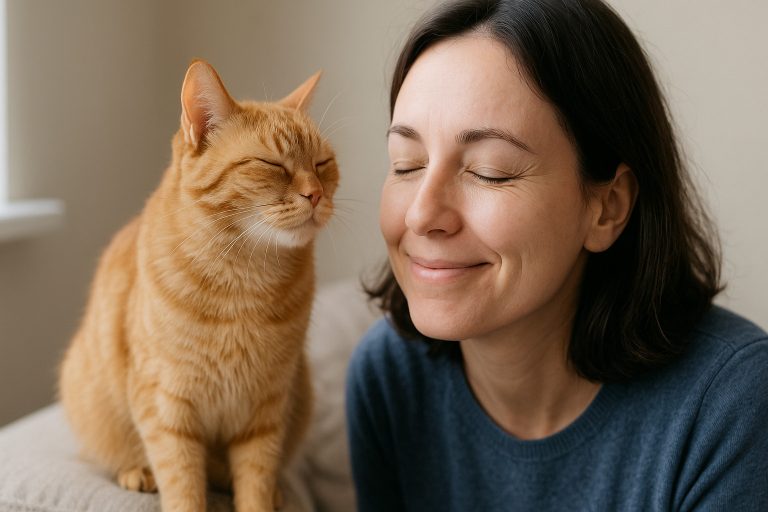
Image Source: Viral Daily Now
How to Engage in “Cat Kisses”
Now that we’ve established what the slow blink means, how can you reciprocate this heartfelt gesture? Engaging in slow blinking with your cat can significantly strengthen your bond. Here are a few simple steps to try:
-
Create a Relaxed Environment: Ensure your cat is comfortable. The ideal setting may resemble a quiet spot in your home where your cat feels at ease and secure.
-
Make Eye Contact: Gently gaze into your cat’s eyes. Avoid sudden movements, as these can trigger anxiety.
-
Blink Slowly: Allow your eyelids to close slowly, lingering in that half-closed state for a moment before reopening them gently. This deliberate action emulates the behavior you are seeking to inspire.
-
Practice Patience: It may take some time for your cat to reciprocate, especially if they are not accustomed to this form of communication. Be patient and continue to interact with them in non-threatening ways.
-
Pair with Positive Reinforcement: After a successful slow blink interaction, reward your cat with a treat or praise. It conditions them to associate the experience with something positive.
The Importance of Trust in the Human-Cat Relationship
Establishing trust can be a long-term process, particularly for shy or skittish cats. The act of slow blinking should be part of a broader strategy to build trust within the relationship. Here are some additional tips to nurture that trust:
-
Respect Personal Space: Always allow your cat to approach you at their own pace. Avoid forcing interaction, as this can lead to feelings of insecurity.
-
Create Routine: Cats thrive on consistency. By maintaining a regular routine—whether it’s feeding time, playtime, or cuddle time—you’ll enhance your cat’s sense of security.
-
Read Body Language: Familiarize yourself with your cat’s non-verbal cues. A flicking tail or flattened ears may signify discomfort or agitation. Staying attuned to these signals contributes to mutual understanding.
-
Engage in Play: Regular playtimes can help familiarize your cat with your movements, making slow blinking and other forms of communication easier to achieve.
The Link Between Blink Communication and Health
Interestingly enough, the ability to engage in two-way communication through blinking has implications beyond just emotional well-being. Research indicates that healthy human-animal relationships, which include forms of communication like blinking, may result in better health outcomes for both parties.
-
Reduced Stress Levels: A study published in the Journal of Feline Medicine and Surgery highlights that animals exhibiting strong human bonds tend to experience lower stress levels, which contributes to overall health.
-
Decreased Anxiety: Cats often suffer from anxiety, particularly in new or stressful environments. Fostering a trusting relationship with your pet may alleviate some of their fears, allowing them to thrive in various scenarios.
Common Misconceptions About Cat Communication
Despite the wealth of knowledge available concerning cat behavior, several misconceptions persist. Here are a few that need clarification:
-
Cats are Aloof: While many believe that cats are independent and distant, they tend to form strong attachments with their owners. The slow blink is a clear example of this bond.
-
All Cat Blinking is the Same: Not all blinking is a sign of affection. Rapid or frequent blinking could stem from nervousness or discomfort. Understanding your cat’s overall demeanor is crucial.
-
Only Some Breeds Blink: All domestic cats—regardless of breed—can exhibit slow blinking as a form of communication. Differences in individual behavior rather than breed are what define this behavior.
-
Cats Don’t Care About Their Owners: Contrary to popular belief, research shows that cats can form attachment styles comparable to dogs. They may even prefer the company of their owners over food in some circumstances.
Q&A Section
Q: Why does my cat blink at me?
A: Your cat is likely indicating trust and affection. It’s their way of saying, “I feel safe with you.”
Q: How can I tell if my cat is stressed?
A: Common signs of a stressed cat include excessive grooming, hiding, vocalizing, and changes in appetite or litter box habits. If you notice these signs, observe their environment for changes that could be unsettling.
Q: Can blinking mean something else besides affection?
A: Yes, rapid blinking can indicate discomfort or stress. Always consider your cat’s body language to gauge their overall emotional state.
Q: How can I improve my cat’s overall emotional well-being?
A: Regular interaction, play, and creating a safe environment are essential for your cat’s emotional health. Being attentive to their needs and allowing them to express themselves will strengthen your relationship.
Q: Are there other ways cats communicate with us?
A: In addition to blinking, cats communicate through meowing, purring, tail positioning, and body language. Each sign is distinctive and conveys different meanings.
Final Thoughts
The unspoken language of blinking is just one of myriad ways in which cats communicate with us. By actively engaging in this subtle dialogue, we can enhance our understanding of these cherished companions and strengthen our emotional bonds. Creating an environment of trust and comfort will ensure that your feline friend feels cherished and secure.
Reading more about the fascinating behaviors of animals can enrich your daily life. If you’re interested, check out our article on Parrot’s TikTok Debut Accidentally Exposes Family Secrets for a humorous perspective on animal behavior. The incredible world of pet communication is ever-evolving, and understanding that unspoken language can lead to a more harmonious existence with our furry friends.