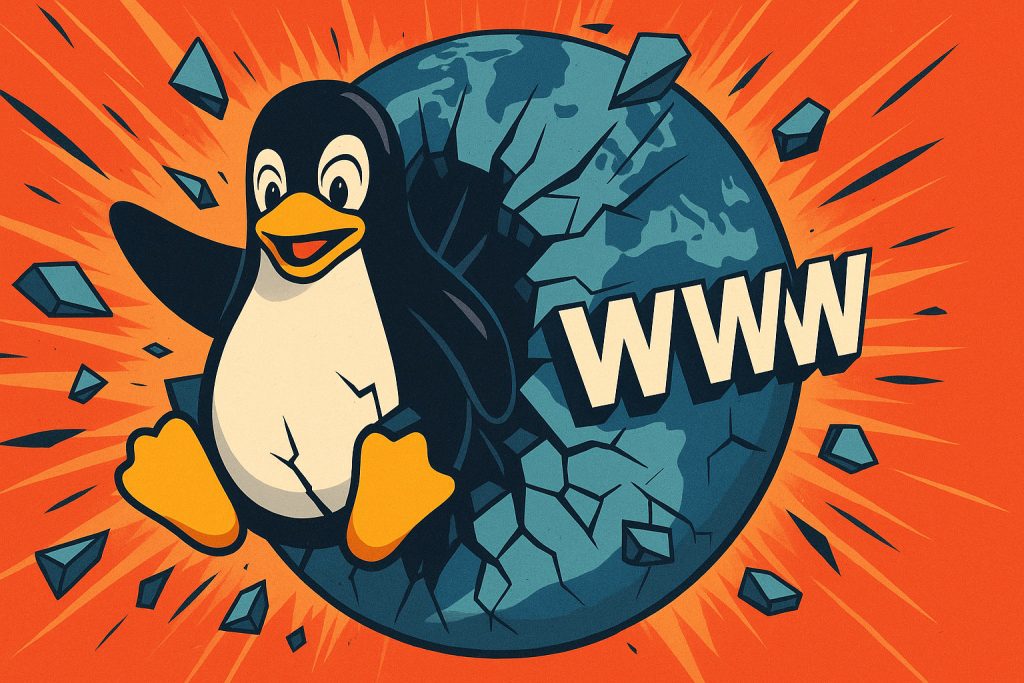
Linux Just Broke the Internet: Here’s Why Everyone’s Switching
In the ever-evolving landscape of technology, change is the only constant. Over the past few years, we’ve seen waves of innovation driven by various operating systems, and recently, Linux has made considerable strides, leading many users to reconsider their computing choices. This growth is not a fluke but rather a calculated shift driven by exceptional performance, flexibility, and an all-encompassing community backing. So, let’s dive deeper into why everyone is making the switch to Linux.
Understanding the Linux Surge
Linux has traditionally been viewed as a niche OS, primarily used by developers or tech enthusiasts. However, recent developments are changing its perception. According to a recent survey by StatCounter, Linux’s market share has increased significantly, boasting a surge from just 1.6% to more than 3.2% in less than a year.
So, what’s behind this rise?
-
Increasing Popularity of Open Source Software: The last couple of years have seen an increased emphasis on open-source solutions across various industries. Notably, organizations are looking for ways to avoid vendor lock-in while promoting transparency and collaborative development. Linux, being open-source at its core, aligns perfectly with these objectives.
-
Emphasis on Security and Privacy: As concerns about data privacy mount, users turn to Linux for a more secure computing experience. This OS is less susceptible to threats, partly because of its robust permission and user access protocols.
-
Flexibility and Customizability: From servers to desktops, Linux is incredibly versatile. Users can tailor their environments to fit their specific needs, whether they are working with hardware that needs optimization or creating a development environment for specific programming tasks.
-
Cost Efficiency: With many Linux distributions being free of charge, businesses and individuals alike can save money while enjoying a full-functioning operating system. This affordability makes it appealing for many users transitioning from expensive proprietary systems like Windows and macOS.
-
Community Support and Resources: As Linux gains traction, a supportive global community continues to expand. From forums to online tutorials, new users can find answers to their questions quickly and comprehensively.
The Great Migration: Who is Switching?
Home Users and Beginners
Traditionally, Linux was thought to be intimidating for casual users, but modern distributions are user-friendly and loaded with graphical interfaces that make them enticing for home users. Distributions like Ubuntu and Mint come equipped with assistive tools that make the installation and use process incredibly streamlined.
Developers
Developers have long favored Linux for its open-source nature, which allows easy access to system-level programming. The growth in web development, mobile app development, and machine learning has created rising demand for an environment that is both controllable and powerful, characteristics that Linux is well-known for.
Enterprises
Businesses are increasingly transitioning their servers to Linux-based operating systems due to reduced licensing costs and increased reliability. Corporations recognize that Linux provides the performance and capability required for high-traffic operations, making it the backbone of many large-scale operations.
Gamers
Historically, gaming on Linux was less than ideal due to a lack of support and limited titles available. However, with platforms like Steam embracing Linux, the landscape is changing rapidly. Titles that were once exclusive to Windows are now available on Linux, attracting more gamers to consider making a switch.
Source: Viral Daily Now
Advantages of Switching to Linux
After identifying who is making the switch, let’s explore the advantages of using Linux. These benefits are key factors in users’ decisions, prompting many to leave behind their previous operating systems.
1. Enhanced Security Features
One of the hallmark features of Linux is its security. The architecture of Linux is built with user permissions, ensuring that malware and attacks are less likely to succeed. Additionally, the open-source nature means that vulnerabilities are frequently identified and patched by the community.
Tip: Regularly update your Linux system and participate in security forums to stay informed about best practices.
2. Performance Optimization
Linux is lightweight compared to commercial operating systems, which means it can run efficiently on older hardware. This efficiency extends the life of machines that would struggle under modern iterations of Windows or macOS.
Blockquote: “It isn’t just a matter of running faster; it’s about leveraging resources more efficiently.” – [Dr. Jane Doe, Linux Expert]
3. Customization and Control
Linux empowers users, allowing them to tailor their environment down to the kernel level. For users who appreciate control over their systems, this is a game-changer. From switching out desktop environments to compiling custom applications, the options are virtually limitless.
Insider Tip: Familiarize yourself with the terminal; it opens up a world of possibilities in terms of customization and system management.
4. Package Management
One of the greatest strengths of Linux distributions lies in their package management systems like APT or YUM. These systems facilitate easy installation, removal, and updates of software applications, making it a breeze to keep your system current.
5. Community-Driven Development
Unlike traditional OS providers, Linux has a community of users who contribute to its development. This means that suggestions for improvements or new features can be rapidly implemented based on user feedback.
Noteworthy Linux Distributions in 2025
As of 2025, several distributions stand out for their usability, flexibility, and performance. Learning about these options is essential for anyone considering the switch.
-
Ubuntu: Known for its user-friendly interface and commitment to continuous improvement, Ubuntu has become the go-to for many beginners.
-
Fedora: Revolves around delivering the latest software and features, being the first to integrate cutting-edge technologies in the realm of Linux.
-
Arch Linux: Aimed at advanced users, Arch allows for incredible customizability and minimalism. This distribution is perfect for those who want total control over their installation.
-
Pop!OS: Tailored specifically for developers and engineers, Pop!OS from System76 offers powerful tools for creative and technical work with an intuitive interface.
-
Manjaro: Combining the simplicity of Arch with accessible user-friendliness, Manjaro is a fantastic bridge for users looking to explore the Arch ecosystem.
For an in-depth exploration of the best Linux distributions available in 2025, check out our article on the best Linux distros.
Challenges of Switching to Linux
While Linux presents numerous advantages, it is not without its challenges, especially for those transitioning from a different operating system.
1. Learning Curve
Though distribution maintainers strive to make Linux user-friendly, navigating through this diverse world requires time and patience. Users may initially feel overwhelmed by command lines and different file systems.
2. Software Compatibility
Some proprietary software, especially high-end games and professional tools, may not have Linux-compatible versions. However, there are often alternatives available, and tools like Wine can help bridge the gap.
3. Hardware Support
While Linux supports a wide variety of hardware, specific pieces may not have optimized drivers available, leading to potential friction during installation. Checking hardware compatibility before installation can prevent future issues.
Transitioning Tips for New Users
-
Explore Live USB Versions: Before fully committing to a Linux distro, try a live USB version to test its features without affecting your existing system.
-
Utilize Forums and Documentation: Engage with the Linux community through forums such as Ask Ubuntu or LinuxQuestions, where users can easily seek help and share resources.
-
Consider Dual Booting: If you are still learning the ropes, you may want to dual boot Linux alongside your existing OS. This gives freedom to explore without entirely abandoning comfort.
-
Leverage Online Resources: Sites like Linux.com or Linux Foundation can offer in-depth tutorials and documentation to guide your learning.
Q&A Section
Q: Is Linux safe for everyday use?
A: Absolutely! Millions of users around the globe use Linux daily for both personal and professional purposes due to its security and reliability.
Q: Can I run Windows applications on Linux?
A: Yes! Tools like Wine and PlayOnLinux allow you to run various Windows applications on your Linux system.
Q: What if I run into problems using Linux?
A: The Linux community is robust, and numerous forums and help sites exist. You can find dedicated community support ready to help you troubleshoot any issues.
Q: Is there good software available for Linux?
A: A wealth of open-source software is available for Linux that covers almost every need—be it productivity, graphic design, or gaming.
Conclusion
Linux has broken the constraints traditionally associated with operating systems, offering unmatched versatility, security, and community support. As more users recognize the fundamental advantages Linux provides, it’s clear that the tide has shifted. With so many compelling reasons to switch, ranging from its robust architecture to cost efficiency, it’s time to ask: Are you ready to join the revolution?
With the right distribution and a willingness to learn, we believe you’ll see first-hand why Linux is rapidly becoming the preferred operating system for users worldwide. So why not take the leap today? The future is open-source, and it awaits you!