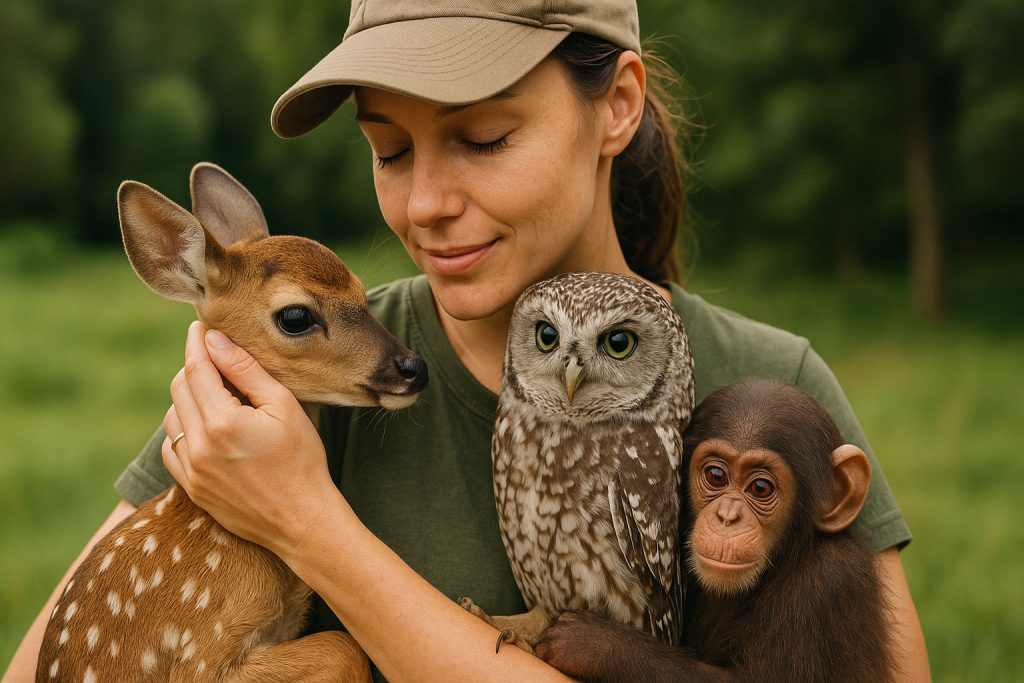
The Most Heart-Warming Wildlife Rescue Stories
In a world that often feels overshadowed by headlines filled with strife and conflict, it is the inspiring stories of compassion and resilience that remind us of the goodness within humanity. When it comes to wildlife, the dedication and efforts of individuals who rescue animals in distress creates tales that not only tug at our heartstrings but also inspire others to take action. From orphaned baby elephants to entangled sea turtles, each rescue reflects a commitment to preserving our planet’s precious inhabitants. Join us as we explore some of the most heart-warming wildlife rescue stories that showcase both the fragility and tenacity of life in the wild.
Understanding Wildlife Rescue
Wildlife rescue is a crucial component of wildlife conservation. It involves the recovery of animals that are injured, orphaned, or otherwise in distress, providing them with the care they need to survive and thrive. Many wildlife rescue organizations operate around the clock, often relying on volunteer efforts and donations to fund their missions.
The Importance of Wildlife Rehabilitation
Wildlife rehabilitation seeks to return healthy animals back into their natural habitats. Expertise in animal care, understanding of local ecosystems, and sometimes, even a bit of luck play significant roles in successful rescues. According to the International Wildlife Rehabilitation Council:
“Wildlife rehabilitators provide care but they are also educators, advocates, and stewards of the environment.”
In essence, these dedicated individuals not only aid animals but also work to educate the public on the importance of coexisting peacefully with wildlife.
Heart-Warming Rescue Stories
Now, let’s delve into some remarkable wildlife rescue stories that demonstrate compassion and a commitment to conservation. These tales serve as stark reminders of the obstacles wildlife faces and highlight the profound difference that one dedicated individual or organization can make.
The Elephant Who Stole Hearts
In a small wildlife sanctuary in Thailand, a baby elephant named Mokai was discovered abandoned in the jungle. With no mother in sight, the sanctuary staff quickly sprang into action. Mokai was not only dehydrated but also suffering from severe malnutrition. The team provided immediate care, nurturing Mokai back to health with milk formula and loving companionship from other elephants at the sanctuary.
Months went by, and Mokai began to thrive. His story gained traction on social media, capturing the hearts of thousands. Visitors from across the globe traveled to the sanctuary to meet Mokai, contributing funds to ensure the care of other animals. Mokai’s story is a testament to how one rescue can spark widespread awareness and support for wildlife conservation efforts.
Rescuing Entangled Turtles
Sea Turtles often become victims of marine debris, primarily plastic waste in oceans. One remarkable rescue story emerged from the coast of Florida when a loggerhead sea turtle was found entangled in a fishing net. Local marine rescue teams worked tirelessly for hours to carefully free the turtle without causing further injury.
Upon her rescue, the turtle, affectionately named Lola, was taken to a rehabilitation center where she underwent treatment for her injuries. After several months of care, Lola was deemed fit for release back into the ocean. The moment she swam away into the deep blue sea, a large crowd gathered to celebrate her comeback, reminding everyone of the importance of minimizing plastic waste to protect marine life.
The Rescue of an Orphaned Bear Cub
A small black bear cub found alone in the woods of northern Michigan captured the attention of wildlife officials in the area. Abandoned due to a poaching incident that left her mother dead, the little bear, named Sable, was rescued just in time. Experts at a local wildlife rehabilitation center took Sable in, nursing her back to health while educating the public about the threats facing bears in the wild.
Sable became a local celebrity and part of an educational program designed to teach visitors about the importance of wildlife conservation. After months of rehabilitation, Sable was successfully rehabilitated and released back into her natural habitat, thanks in part to the funds raised from public donations during her recovery.
A Raptor’s Second Chance
Birds of prey are an essential part of our ecosystem. In another inspiring case, a red-tailed hawk was found grounded in a city park with a broken wing. Rescuers rushed to save him, named Sky, and transported him to a wildlife rehab center. There, a dedicated team of professionals provided surgery and rehabilitation.
After months of treatment and physical therapy, Sky regained his ability to fly. The day he was released back into the wild was marked by optimism and hope, inspiring everyone present. His story highlights the importance of protecting raptor populations and safeguarding their habitats.
The Rescue of Urban Wildlife
Urban areas often pose unique challenges for wildlife. On one occasion in a bustling city, a fawn was found wandering alone in search of food. With the help of local wildlife rescue teams, the fawn was safely transported to a wildlife rehabilitation center where she could receive proper care.
The fawn, affectionately named Willow, became a subject of great interest on social media as wildlife advocates documented her journey to recovery. As she grew stronger, her story shed light not only on the challenges wildlife face in urban settings but also the commendable efforts of rescuers striving to protect animals in need.
Getting Involved in Wildlife Rescue
Understanding and appreciating these heart-warming wildlife rescue stories can inspire you to get involved in wildlife conservation efforts in your community. Here are a few actionable tips for those wanting to contribute:
-
Volunteer: Many wildlife rescue organizations rely heavily on volunteers. By donating your time, you can make a substantial impact on the lives of rescued animals.
-
Donate: Financial contributions to local wildlife organizations can provide essential resources for care and rehabilitation efforts. Your support can help save countless lives.
-
Educate Yourself and Others: Share knowledge about wildlife conservation efforts. The more educated we become about the challenges wildlife face, the more capable we are of making informed decisions in our daily lives.
-
Advocate for Change: Support policies and practices that protect wildlife and their habitats. Whether it’s advocating for reduced plastic waste or promoting sustainable practices in your community, every action counts.
-
Participate in Local Clean-ups: Keeping our environment clean is vital for wildlife survival. Participating in local clean-up events can significantly contribute to reducing hazards for animals.
Heartfelt Lessons from Rescues
The emotional journey intertwined with every wildlife rescue exemplifies the resilience of both the animals and the people who dedicate their lives to their care. The stories discussed here are a testament to the impact compassionate action can have on individual lives and the environment as a whole. It serves as a reminder that each one of us holds the power to advocate for those who cannot advocate for themselves.
Why Wildlife Rescue Matters
The significance of wildlife rescue cannot be overstated. Wildlife plays an irreplaceable role in maintaining ecosystem balance, and every effort made to protect them contributes to a healthier planet for us all. As highlighted by the World Wildlife Fund, the conservation of wildlife fosters biodiversity, which is crucial for humanity’s survival.
In the face of climate change, habitat destruction, and pollution, the need for wildlife conservation and rescue has never been more urgent. The heartwarming stories of animals finding their way back home illuminate the endless possibilities when human compassion meets wildlife perseverance.
Q&A Section
Q: What is the best way to support wildlife rescues?
A: The best way to support wildlife rescues is to volunteer your time and donate resources to local organizations. Financial contributions can help cover the costs of medical care and rehabilitation for the animals in need.
Q: How can I help wildlife in my local area?
A: Educate yourself about local wildlife and their habitats. Participate in advocacy efforts, support clean-up initiatives, and volunteer at local wildlife rescue organizations.
Q: What should I do if I find an injured animal?
A: It’s essential to contact a local wildlife rescue organization or animal control instead of trying to manage the situation yourself. They have the expertise and experience to handle the rescue safely and effectively.
Q: Is it illegal to keep wild animals as pets?
A: Yes, in most places, it is illegal to keep wild animals as pets. Wild animals have specific needs that are difficult to meet in captivity, and removing them from their natural habitat can be detrimental to their survival.
Q: How can I learn more about animal behaviors?
A: To learn more about the fascinating behaviors of wildlife, you can visit resources such as our article on Rare Animal Behaviors That Will Leave You Speechless.
Conclusion
As we’ve seen, wildlife rescue stories touch us deeply and underscore the importance of compassion and stewardship towards our planet’s inhabitants. Every rescue, big or small, illustrates the impact of empathy on the world. Encouraging these acts of kindness can help build a brighter future for wildlife and teach us all the value of coexisting harmoniously with nature. Let these stories inspire you to act, because every effort counts in the preservation of our planet’s incredible diversity.


