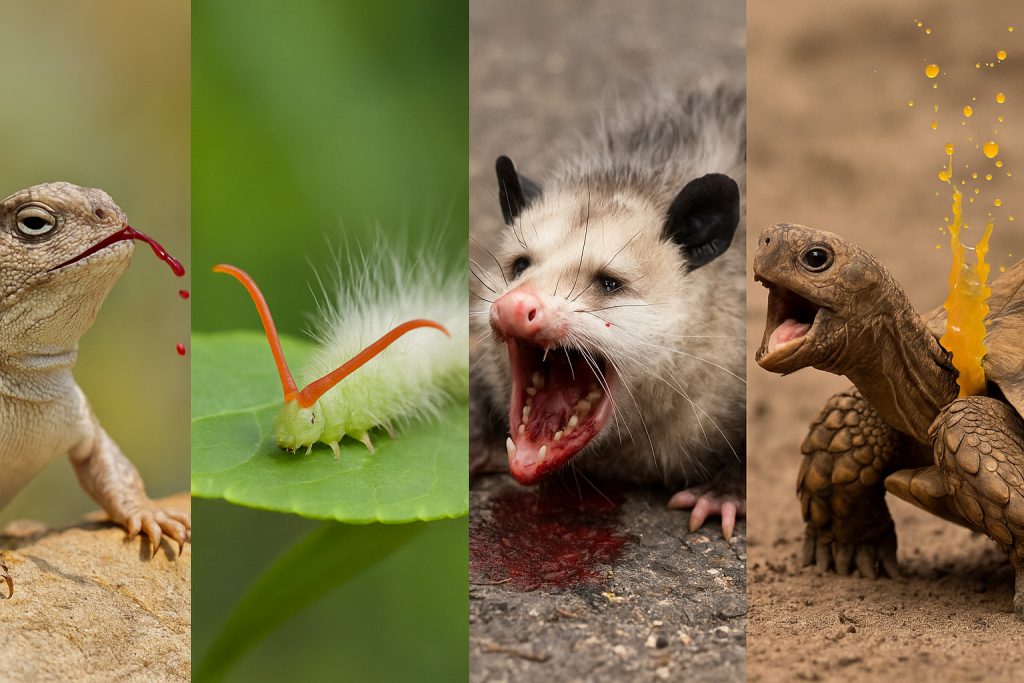
Terrifying Animal Defense Mechanisms Exposed
When you think of the animal kingdom, what comes to mind? Beautiful landscapes teeming with majestic creatures? While those picturesque images are certainly present, there’s a darker side that often remains hidden. Nature is fierce and has intricately evolved defense mechanisms that many animals employ to survive. These adaptations can be downright terrifying.
In this article, we will delve into some of the most astonishing and chilling animal defense mechanisms out there. We’ll explore how these creatures have harnessed unique abilities to ward off predators and adapt to their environments. Are you ready to uncover the spine-chilling tactics employed by some of the wild’s most formidable inhabitants? Let’s dive in!
The Need for Defense
Every creature, no matter how small, plays an essential role in the ecosystem. However, with that role comes the constant threat of predation. This reality makes the development of effective defense mechanisms crucial for survival. The methods animals use are often fascinatingly complex, showcasing the incredible ingenuity of nature.
From venomous secretions to elaborate camouflage, animal defense mechanisms are as diverse as the animals themselves. Many creatures have adopted unique strategies that can provoke awe and fear at the same time. Understanding these strategies not only enriches our appreciation of wildlife but also highlights the delicate balance of our ecosystems.
Terrifying Defense Mechanisms in Action
1. Poison and Venom
One of the most commonly known defense mechanisms is the use of poison or venom. While people often confuse the two, they are different: poison is harmful when consumed or touched, whereas venom must be injected through a bite or sting.
-
The Poison Dart Frog: These vibrant frogs are tiny but pack a powerful punch. Their poison is so potent that indigenous tribes have used it for centuries to coat their blow darts. Just a small amount of this toxin can kill a human.
-
The Box Jellyfish: Known for its stunning appearance, the box jellyfish’s tentacles contain thousands of stinging cells that release venom upon contact. This venom can cause excruciating pain or even death in humans.
“In nature, beauty and danger are often intertwined. The box jellyfish serves as a perfect example of how vibrant colors can conceal deadly threats.” — Dr. Emily Harrington, marine biologist.
2. Camouflage
Many animals have developed the ability to blend seamlessly into their surroundings, allowing them to evade detection from both predators and prey.
-
The Leaf-Tailed Gecko: Residing in Madagascar, this lizard has evolved to resemble dead leaves, making it nearly invisible among the foliage.
-
The Stick Insect: This creature takes camouflage to a new level by mimicking the twigs and branches of its habitat. Their stillness enhances their ability to avoid being seen.
3. Mimicry
Mimicry is a fascinating strategy where a species evolves to resemble another species that is either poisonous or unpalatable. This tactic can deter predators who have learned to avoid the harmful species.
-
The Viceroy Butterfly: At first glance, it may appear to be a Monarch butterfly, but it is devoid of the toxic properties of its counterpart. This resemblance helps the Viceroy evade predators tinged with the Monarch’s foul taste.
-
The Hawk Moth Caterpillar: When threatened, this caterpillar can inflate its thorax and mimic a snake’s head, deterring birds that might come for a snack.
4. Mechanics of Defense
Some creatures rely on extraordinary physical adaptations for defense, demonstrating a strange beauty in their efficiency.
-
The Pufferfish: When threatened, this fish can inflate its body dramatically, making it too large for predation. Additionally, many species harbor toxins that can be fatal to predators.
-
The Porcupine: Equipped with sharp quills, the porcupine wards off threats by maliciously embedding quills into predators’ skin. The pain inflicted typically prevents further attempts to engage the porcupine.
In nature, defense comes in many forms, and understanding these adaptations broadens our insight into the survival strategies of various species.
5. Behavioral Defenses
Some animals showcase impressive behaviors as a form of defense. These can include fleeing, acting aggressively, or employing complex social strategies to deter threats.
-
The Star-Nosed Mole: When attacked, these quirky creatures will often dig frantically to escape danger, using their fantastic digging ability to create a barrier from their predator.
-
The Chameleon: Though famous for changing color, chameleons can also puff up their bodies, showing off their size when threatened in a display meant to intimidate rivals.
6. Social Structures for Defense
In the animal kingdom, strength often lies in numbers. Social animals have developed intricate structures and behaviors to help protect their members.
-
Meerkats are well-known for their cooperative behavior. When danger is near, one meerkat will stand guard while others forage, ensuring the group remains vigilant against threats.
-
Elephant Herds: Female elephants form protective circles around their young when danger is present. This collective effort highlights the strength of social bonds in the wild.
7. Sensory Adaptations
Many animals have heightened senses that aid in detecting potential threats before they become an issue.
-
The Naked Mole Rat: Living in subterranean colonies, these creatures have developed sensitive tactile hairs that help them navigate in the dark and detect vibrations from potential predators above ground.
-
Bats use echolocation, emitting high-frequency sounds that bounce off objects, allowing them to navigate and identify threats in complete darkness.
The Importance of Understanding Animal Defenses
Learning about these terrifying animal defense mechanisms is more than a mere exploration of the wild—it’s crucial for conservation efforts. By understanding how these creatures survive, we can work towards protecting them and maintaining the ecological balance.
Conservation Efforts
Habitat loss, climate change, and pollution are escalating threats that continue to endanger various species. Understanding their defense mechanisms might help in formulating conservation strategies. For instance, protecting the habitats of specific creatures ensures their survival and promotes biodiversity.
The most heart-warming wildlife rescue stories underscore the ongoing efforts by conservationists to protect vulnerable species. For further reading on wildlife conservation, consider visiting The Most Heart-Warming Wildlife Rescue Stories.
Frequently Asked Questions (FAQs)
Q: What are the most common animal defense mechanisms?
A: Common mechanisms include camouflage, mimicry, venom, and social behaviors that enable defense through group cooperation.
Q: Can animal defense mechanisms evolve?
A: Yes, defense mechanisms can evolve over time in response to environmental pressures and predation rates, leading to innovative adaptations.
Q: Do all animals have defense mechanisms?
A: While most animals have some form of defense mechanism, the type and sophistication vary significantly across species.
Q: Can learning about these mechanisms help conservation efforts?
A: Absolutely! Understanding how animals defend themselves is crucial for creating effective conservation strategies designed to protect their habitats and populations.
Q: Are there any peculiar or rare animal behaviors related to defense?
A: Yes! There are numerous rare animal behaviors that can leave you speechless, such as unique mating rituals or communal mobbing against threats, which you can explore in detail at Rare Animal Behaviors That Will Leave You Speechless.
Conclusion
The world of animal defense mechanisms is a testament to nature’s creativity and resilience. From the terrifying venom of the box jellyfish to the masterful camouflage of the leaf-tailed gecko, these mechanisms remind us of the harsh realities of survival in the wild.
By developing an understanding of these defensive strategies, we not only enrich our knowledge of the animal kingdom but also cultivate a deeper respect for the delicate balance of nature. Protecting these incredible creatures and their habitats ensures that we continue to share our planet with them for generations to come.
Let us continue to explore, learn, and educate others about the fantastic and formidable tactics animals utilize to survive. Embrace the terrible beauty of nature, and remember, every creature has its story—one that is often more thrilling than we can imagine.


