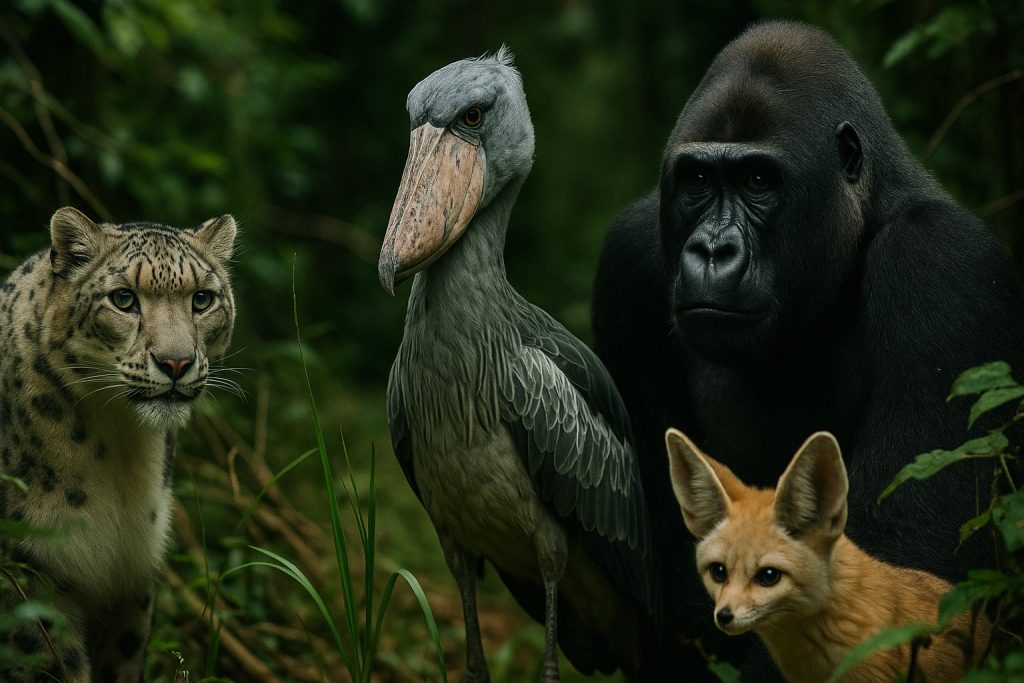
The World’s Most Elusive Creatures Revealed
The world is home to countless species, but among them, a select few remain shrouded in mystery. These elusive creatures are not just fascinating; they play vital roles in their ecosystems. From the dense jungles of the Amazon to the remote mountains of the Himalayas, scientists and wildlife enthusiasts have been captivated by the challenge of studying these stealthy beings.
In this article, we will delve into the most elusive creatures on the planet, exploring their behaviors, habitats, and the ongoing efforts to unveil their secrets. By understanding these creatures, we gain insight into the delicate balance of our ecosystems and the conservation efforts needed to protect them.
The Nature of Elusiveness
Elusiveness can manifest in various forms—adaptations that allow animals to avoid predators, behaviors that keep them hidden from human observers, or even simply their sparse populations. Many of these animals develop unique characteristics enabling them to thrive in their specific environments while remaining unobserved.
Some creatures are nocturnal or crepuscular, meaning they are active at dusk or dawn when visibility is limited. Others possess incredible camouflage abilities, seamlessly blending into their surroundings. This innate skill not only protects them from predators but also makes them difficult to locate for researchers.
The Role of Technology in Wildlife Observation
Advancements in technology have revolutionized how we observe these elusive species. Camera traps, drones, and remote sensing technology have paved the way for unprecedented wildlife monitoring. For instance, camera traps capture candid moments of animals that would otherwise evade human eyes.
- Drones equipped with high-resolution cameras are now being used to survey large areas, allowing researchers to track animals in their natural habits without disturbing them.
- Acoustic monitoring devices capture sounds of wildlife, enabling scientists to identify species based solely on their calls and songs, even in dense habitats.
As technology continues to evolve, our understanding of these mystifying creatures will deepen, illuminating aspects of their behavior and ecology that have long remained hidden.
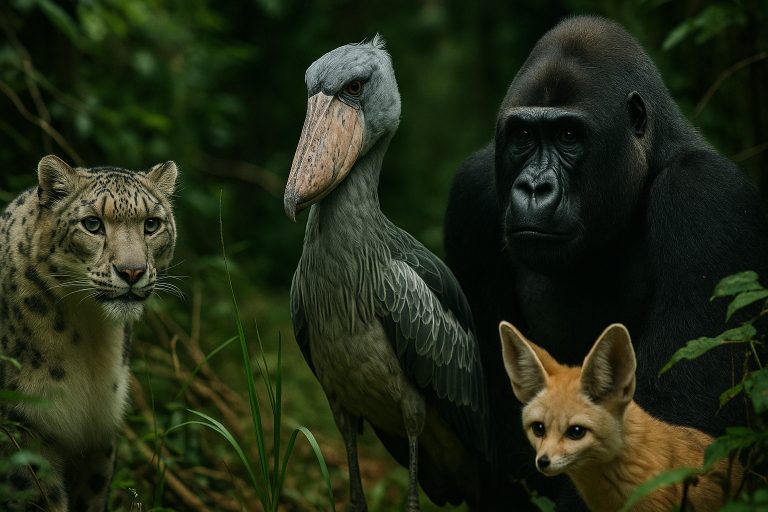
The Most Elusive Creatures on Our Planet
1. The Amur Leopard
One of the rarest big cats in the world, the Amur Leopard (Panthera pardus orientalis) resides in the Russian Far East and Northeast China. With fewer than 100 individuals left in the wild, their populations continue to dwindle due to habitat loss and poaching. Their stunning rosette-patterned fur allows them to blend into the forest shadows, making sightings incredibly rare.
“The Amur Leopard is not just a symbol of wildlife conservation; it embodies the struggle of many species threatened by human activity.” – Conservation Biologist
Conserving the habitat of the Amur Leopard is crucial, as they rely on a specific environment for hunting and breeding. Community engagement in conservation efforts, such as the establishment of protected areas, plays a significant role in saving this magnificent creature.
2. The Saola
Often referred to as the “Asian unicorn,” the Saola (Pseudoryx nghetinhensis) is one of the world’s most mysterious mammals. Native to the Annamite Range of Vietnam and Laos, the saola was discovered only in 1992. Due to their elusive nature and the dense forests they inhabit, very little is known about their behavior.
Efforts to study the saola have been challenging, with only a handful of confirmed sightings in the wild. Their population is critically endangered, primarily due to poaching and habitat destruction.
3. The Kakapo
The Kakapo (Strigops habroptilus), a flightless parrot native to New Zealand, stands out as one of the most iconic examples of conservation challenges. With a population of around 250 individuals, the kakapo has an intriguing breeding strategy, known as lekking, where males compete for females in communal areas. However, their natural instinct to freeze when threatened makes them vulnerable to introduced predators.
In recent years, dedicated conservation efforts have helped increase their numbers. Innovative methods, including nocturnal monitoring and intensive breeding programs, are underway to ensure the survival of the kakapo.
4. The Tapanuli Orangutan
Discovered only in 2017, the Tapanuli Orangutan (Pongo tapanuliensis) is the rarest great ape, residing in the Batang Toru ecosystem in Sumatra. Despite their distinct genetic differences from other orangutan species, these amazing creatures are facing extinction due to habitat loss driven by logging and palm oil plantations.
Efforts to protect their habitat are vital, encompassing not only the orangutans but also the entire ecosystem they inhabit. Creating awareness and promoting sustainable land-use practices are crucial for their survival.
5. The Bornean Pygmy Elephant
The Bornean Pygmy Elephant (Elephas maximus borneensis) is the smallest subspecies of Asian elephant, and despite their size, they are incredibly elusive. Mostly found in the pristine forests of Borneo, these elephants are biologically distinct and threatened by habitat loss and fragmentation.
Their populations are continuously monitored using innovative GPS collars that help researchers track their movement patterns, which is essential for their conservation strategies.
Conservation Challenges and Initiatives
Understanding the plight of these elusive creatures underscores the urgent need for conservation efforts worldwide. Habitat destruction due to agriculture, logging, and urban expansion remains a significant threat.
Collaborative Conservation
Conservation organizations are now prioritizing collaborative efforts involving local communities, governments, and international bodies. Engaging locals in conservation initiatives fosters a sense of stewardship over natural resources.
“Involving local communities is key to sustainable conservation. They are the frontline defenders of their ecosystems.” – Wildlife Conservationist
Collaborative projects often include education and awareness programs that teach locals the benefits of preserving biodiversity, showcasing how it benefits them directly.
The Role of Sanctuaries
Wildlife sanctuaries and reserves provide a safe habitat for these elusive creatures to thrive. These protected areas serve as critical breeding grounds, allowing species to recover from the brink of extinction. For instance, various wildlife sanctuaries are dedicated to the restoration and protection of the Amur Leopard, facilitating managed breeding and habitat protection efforts.
Linking efforts to protect these species helps to create a network of biodiversity, where other endangered species also benefit.
Technological Innovations in Conservation
Leveraging technology for conservation is a burgeoning field that holds promise for enhanced wildlife protection. Here are a few innovations that are helping:
-
Drones for Monitoring: Drones equipped with thermal imaging can monitor wildlife movements without disturbing them, providing crucial information about habitat use.
-
AI and Machine Learning: Artificial intelligence can help analyze camera trap data, identifying species and individual animals, which streamlines research efforts.
-
Citizen Science Apps: Mobile applications allow everyday people to report wildlife sightings, contributing valuable data to researchers.
The marriage of technology and conservation is reshaping our approach to the preservation of elusive species that were once considered nearly invisible.
Facing the Future: The Importance of Ecology and Biodiversity
Understanding and conserving these elusive creatures is not just about protecting individual species; it also encompasses the broader ecological balance. Every organism plays a role in their ecosystem, and the loss of any species can have cascading effects.
Research has shown that biodiversity is vital for ecosystem resilience, allowing environments to adapt to changes and stressors. As we continue to learn about these elusive creatures, the need for informed conservation strategies becomes crucial.
FAQs About Elusive Creatures
Q: Why are some species more elusive than others?
A: Elusiveness can arise from various factors, including behavior, habitat choice, and adaptations like camouflage. Many elusive species have evolved to avoid predators (including humans) or thrive in hard-to-reach environments.
Q: How can I get involved in wildlife conservation?
A: There are several ways to assist in wildlife conservation. Volunteering with local organizations, adopting wildlife programs, or supporting eco-friendly businesses are great options. Additionally, educating others about the importance of biodiversity helps spread awareness.
Q: What are some of the most endangered elusive species?
A: Many elusive species are critically endangered, including the Amur Leopard, Saola, and Tapanuli Orangutan. Each of these species faces unique threats but can benefit from concerted conservation efforts.
Q: How can technology improve conservation efforts?
A: Technology enhances conservation methods through tools like camera traps, GPS collars, and drones for monitoring wildlife. These innovations help gather crucial data without disturbing animal behaviors.
In conclusion, the world holds numerous elusive species that remind us of the wonders of nature. Each of these creatures presents its unique challenges and stories, urging us to protect and conserve them. As technology advances and conservation efforts grow more collaborative, we can hope to unravel the mysteries surrounding these magnificent inhabitants of our planet.
To explore more about wildlife and conservation, check out these articles: Unseen Wildlife Moments Caught on Camera, Terrifying Animal Defense Mechanisms Exposed, and The Most Heart-Warming Wildlife Rescue Stories—each a testament to the wonders and challenges of nature’s guardians.


