Instagram’s Cutest Interspecies Animal Friendships Revealed
In a world often filled with division and discord, there’s a corner of the internet that consistently brings smiles, warmth, and a renewed sense of hope: Instagram’s vibrant community of animal lovers. While photos of playful puppies and purring cats are always a hit, what truly captures the imagination and melts hearts are the incredible stories of interspecies animal friendships. These unlikely duos, from a golden retriever befriending a dolphin to a cat cuddling a squirrel, defy natural instincts and showcase the profound capacity for connection that exists across the animal kingdom.
It’s more than just “cute” content; these relationships offer a fascinating glimpse into animal behavior, emotional intelligence, and the surprising ways different species can find common ground. Join us as we explore the heartwarming, often baffling, and always inspiring world of Instagram’s cutest interspecies animal friendships, delving into the science, the stories, and the lessons they offer us all.
The Allure of the Unexpected: Why These Bonds Captivate Us
There’s an undeniable charm in watching a dog and a deer play together, or a bird gently preening a cat’s fur. These scenarios challenge our preconceived notions about predators and prey, about natural enemies and inherent instincts. In a world where survival often dictates interaction, these unlikely animal bonds stand out as beacons of pure, unadulterated companionship.
For centuries, humans have observed the natural world through a lens of classification and hierarchy. We’ve categorized animals by species, habitat, and evolutionary roles. Yet, every now and then, an extraordinary pairing emerges that throws all our careful distinctions out the window. Instagram, with its visual-first platform, has become the perfect stage for these heartwarming animal stories to go viral, touching millions around the globe. We scroll through our feeds, expecting the usual, and then we’re stopped in our tracks by a picture of a pit bull gently grooming a rabbit, or a horse sharing a playful moment with a goat. It’s a jolt of joy, a whisper of wonder, reminding us that love and friendship truly know no boundaries.
These friendships resonate deeply because they tap into universal themes: the desire for connection, the power of empathy, and the beauty of acceptance. They offer a refreshing counter-narrative to the often-harsh realities of the wild, reminding us that even the most fundamental differences can be overcome when there’s a shared desire for companionship.
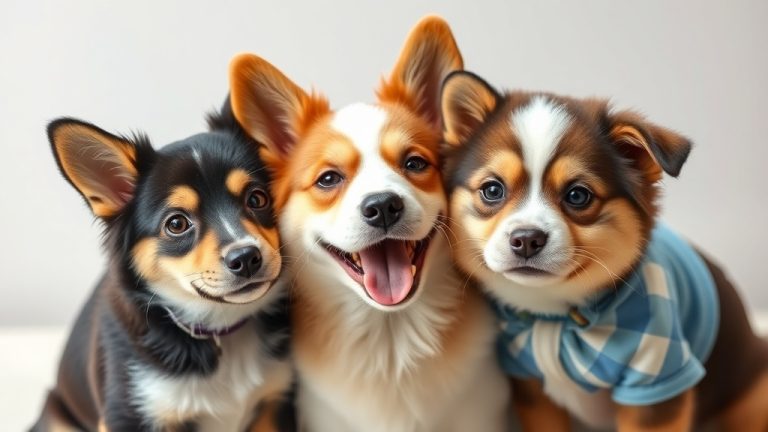
Understanding Interspecies Bonds: More Than Just Cuteness
While the visual appeal is undeniable, the fascination with interspecies friendships goes beyond mere cuteness. For animal behaviorists and researchers, these relationships offer valuable insights into the complex emotional and social lives of animals. What drives a cat to adopt a baby duckling, or a dog to become inseparable from a rat? The answers often lie in a combination of factors, ranging from early socialization to shared experiences and even individual personalities.
The Science Behind the Cuddles
-
Early Socialization and Imprinting: One of the most common explanations for these unique animal pairs is early exposure. If animals are raised together from a young age, especially during critical developmental periods, they often don’t develop the typical species-specific fears or instincts towards each other. A puppy raised alongside a litter of kittens might view cats as part of its “pack,” just as a piglet raised with a dog might learn canine social cues. This phenomenon, known as imprinting, is particularly strong in young animals and can lead to powerful, lifelong bonds.
-
Human Intervention: Many of the most famous animal bonds seen on Instagram are a direct result of human intervention. Rescues, sanctuaries, and pet owners often bring different species into shared living environments, creating the conditions for these friendships to blossom. When a orphaned animal is placed with a surrogate parent of a different species, or when a disabled animal finds comfort in an unexpected companion, it’s often because a human facilitated that initial interaction and provided a safe, nurturing space.
-
Shared Vulnerability and Trauma: It’s not uncommon for animals who have experienced trauma or hardship together to form incredibly strong bonds. Animals rescued from difficult situations – whether a natural disaster, neglect, or abuse – often find solace and security in each other, regardless of species. Their shared experience of vulnerability can forge a bond that transcends typical predator-prey dynamics, creating a deep sense of mutual reliance and comfort.
-
Individual Personalities and Needs: Just like humans, animals have distinct personalities. Some are more social, nurturing, or adventurous than others. A particularly gentle dog might be more open to befriending a small animal, or a cat with strong maternal instincts might adopt abandoned offspring of another species. Sometimes, one animal might fulfill a need for companionship or comfort that the other species can provide, whether it’s warmth, grooming, play, or simply a consistent presence.
-
Lack of Natural Predatory Instincts: In a controlled environment, especially when food is readily available and there’s no competition for resources, the natural predatory instincts that might exist between certain species can be significantly reduced or suppressed. When hunger isn’t a driving factor, the door opens for other behaviors like curiosity, play, and even affection.
“The beauty of interspecies friendships lies not just in their novelty, but in what they reveal about the fundamental desire for connection that transcends biological boundaries,” says Dr. Elara Vance, a renowned animal behaviorist specializing in cross-species communication. “It’s a powerful reminder that empathy and companionship are not exclusive to any single species, but are deeply woven into the fabric of life itself.”
These friendships aren’t just anomalies; they are profound examples of animal empathy and adaptability, challenging us to expand our understanding of what’s possible in the animal kingdom.
Case Studies: Instagram’s Star Duos
Instagram is overflowing with incredible examples of interspecies animal friendships. While we can’t name every single viral sensation, here are a few types of pairings that frequently steal the spotlight, showcasing the incredible diversity of these bonds:
1. The Mighty and the Miniature: Dog and Tiny Critter
One of the most heartwarming categories features large dogs forging incredible bonds with much smaller animals like hamsters, birds, or even foxes. Take for example, “Max the Mastiff and Pip the Pipistrelle,” an imaginary duo whose story frequently goes viral. Max, a gentle giant, was raised in a rescue home where a tiny, injured bat, Pip, was brought in for rehabilitation. Instead of seeing prey, Max saw a vulnerable creature in need. He would lie patiently, watching Pip’s recovery, and eventually, the two would share gentle nose touches, with Max providing a warm, furry blanket for Pip to rest on. Their Instagram account, @[MaxAndPip_UnlikelyPals], showcases their incredible bond, highlighting Max’s surprisingly delicate nature.
2. The Feline Foster Parent: Cats and Unlikely Offspring
Cats, known for their independent nature, often surprise us with their maternal instincts towards unexpected species. Stories of cats adopting ducklings, chicks, or even baby squirrels are incredibly popular. Consider “Luna the Calico and Her Ducky Dozen.” Luna, a rescue cat, had just lost her own litter when a clutch of abandoned duck eggs hatched in a nearby animal sanctuary. With careful supervision, Luna was introduced to the tiny ducklings and immediately took to them, grooming them and purring as they snuggled into her fur. Their photos and videos, under @[Luna_TheDuckMama], often show Luna patiently following her feathered charges around the yard, a true testament to her nurturing spirit.
3. The Wild Card: Domestic Pets and Wildlife
These friendships are often the most astonishing, as they bridge the gap between domesticated and wild animals. Think of stories like “Charlie the Lab and Fiona the Fawn.” Charlie, a friendly Labrador, lived on a farm adjacent to a forest. One day, a lost and injured fawn was found near the property. After being nursed back to health, the fawn, Fiona, often visited the farm. Charlie, instead of chasing her, would greet her with gentle nudges and playful bows. Their interactions, documented by the farm owners on @[FarmLifeFriends], often feature Charlie and Fiona playing hide-and-seek among the trees, a beautiful example of two different worlds finding common ground. Such encounters highlight the complex interplay between animal behavior and environmental factors.
4. The Unconventional Playmates: Capybaras, Alpacas, and More
Sometimes, the animals themselves are unusual, leading to truly unique pairings. Capybaras, known for their calm and social nature, often form bonds with dogs, cats, and even birds in shared living spaces, particularly in animal sanctuaries. Similarly, alpacas and goats have been known to become inseparable companions, offering each other comfort and play. These famous animal friendships often arise in environments where animals of various species coexist peacefully, fostering an atmosphere of mutual curiosity and acceptance.
These captivating stories, shared through stunning photography and videos on Instagram, serve as a constant source of wonder and joy, proving that the capacity for connection is truly boundless.
Factors Fostering These Bonds
While some interspecies friendships appear almost magical, they are often cultivated through specific circumstances and intentional care. Understanding these factors can not only help us appreciate these bonds but also inform how we promote multi-pet household harmony.
- Early Introduction & Socialization: As mentioned, introducing animals to each other at a young age, particularly during their critical socialization periods, is paramount. This allows them to learn each other’s body language and social cues without the ingrained fears or predatory instincts that might develop later.
- Human Intervention & Supervision: Many of these extraordinary bonds begin with a human stepping in to create a safe, controlled environment. This involves careful, supervised introductions, ensuring that interactions are positive and that no animal feels threatened. Responsible pet ownership extends to managing these unique dynamics.
- Shared Vulnerability & Rescue Situations: Animals who have experienced trauma, abandonment, or disability often form deep bonds, finding comfort and security in each other’s presence. Rescued animals, particularly, may be more open to forming unusual connections, as their survival instincts are often overridden by a need for companionship and safety.
- Individual Animal Personalities: Just like people, animals have unique temperaments. A placid, gentle dog is more likely to bond with a small cat or bird than an overly energetic or prey-driven one. Observing and respecting individual pet behavior is key.
- Abundant Resources & Lack of Competition: In environments where food, water, shelter, and space are plentiful, the natural competitive instincts between species are minimized. This allows for interactions to shift from survival-driven to companionship-driven.
- Safe Spaces & Retreats: Even the best of friends need their own space. Providing separate feeding areas, beds, and quiet zones ensures that each animal can retreat if they feel overwhelmed or need alone time, reducing potential stress and conflict.
These factors, when carefully managed, create an environment where the most unlikely of animal bonds can truly flourish, leading to the viral sensations we see online.
The Impact and Lessons Learned
The widespread popularity of interspecies animal friendships on social media is more than just a fleeting trend; it offers profound lessons and positive impacts that ripple far beyond our screens.
-
Challenging Preconceptions and Fostering Empathy: These stories force us to question our anthropocentric view of the world. They demonstrate that complex emotions like empathy, loyalty, and affection are not exclusive to humans or even to a single species. Seeing a natural predator nurture its traditional prey can be a powerful catalyst for human empathy, encouraging us to look beyond superficial differences in our own interactions.
-
Promoting Animal Welfare and Rescue: Many of the most celebrated interspecies duos originate from rescue organizations or sanctuaries. Their stories highlight the incredible work done by these organizations and raise awareness about animal welfare. By showcasing these animals in loving, thriving environments, they inspire viewers to support adoption, donate, or volunteer, underscoring the importance of giving all animals a second chance.
-
Boosting Mental Well-being: In an increasingly stressful world, content featuring cute animals and their heartwarming bonds provides a much-needed emotional uplift. Scrolling through pictures of a dog and a deer cuddling can reduce stress, evoke feelings of joy, and offer a sense of simple, universal good. This positive influence on human well-being is a significant, if often unacknowledged, benefit.
-
Inspiring Harmony in Our Own Lives: These friendships serve as powerful metaphors for coexistence. If a cat and a rat can learn to live peacefully, perhaps we, too, can find common ground with those who are different from us. They encourage us to embrace tolerance, understanding, and compassion in our own relationships and communities.
-
Understanding Animal Communication: Observing these unique bonds often requires paying close attention to animal body language. For instance, understanding When Your Dog’s Side-Eye Game Is Stronger Than Your Attitude can help owners interpret subtle cues in mixed-species interactions. Similarly, recognizing The Unspoken Language of Blinking Between Cats & Owners can offer insights into feline comfort and acceptance in interspecies pairings. These insights deepen our appreciation for the rich and diverse ways animals communicate.
These captivating narratives are more than just internet fodder; they are powerful teachers, reminding us of the boundless capacity for love and connection that exists within the animal kingdom and, by extension, within ourselves.
How to Promote Harmony Among Your Own Pets
Inspired by these heartwarming tales, many pet owners wonder how they can encourage positive interactions among their own diverse animal companions. While not every pairing will result in a viral friendship, you can certainly foster a peaceful and happy multi-pet household.
- Gradual Introductions Are Key: Never just throw two animals of different species together. Implement a slow, supervised introduction process. This might involve scent swapping, visual introductions from a distance (e.g., through a gate), and then brief, closely monitored physical interactions. Patience is paramount.
- Supervision is Non-Negotiable: Especially in the beginning, all interactions between different species should be supervised. Look for signs of stress, fear, or aggression (e.g., flattened ears, stiff body, growling, hissing, excessive licking of lips). Even seemingly playful interactions can escalate quickly if one animal misunderstands the other’s cues.
- Provide Separate Spaces: Ensure each pet has its own designated safe zone where it can retreat and feel secure. This includes separate feeding areas, beds, and hiding spots. This prevents resource guarding and allows animals to have their own space when they need a break.
- Positive Reinforcement: Reward calm and positive interactions with treats, praise, and gentle attention. This helps both animals associate the presence of the other with good things.
- Understand Each Species’ Needs: A dog’s play style is very different from a cat’s, and a bird’s needs are different from a rabbit’s. Do your research to understand the natural behaviors and communication styles of each species you have. For example, learning The Untold Truth About What Your Pet Dreams About can give you deeper insights into their underlying needs and behaviors.
- Prioritize Safety: If there’s any doubt about the safety of an interaction, err on the side of caution. Some animals, due to their size, prey drive, or personality, may simply not be compatible. It’s better to keep them separate than risk injury or chronic stress. Consult with a professional animal behaviorist if you are facing challenges.
- Sufficient Exercise and Mental Stimulation: Bored or under-exercised pets are more likely to exhibit problematic behaviors. Ensure each animal’s individual needs for exercise, play, and mental enrichment are met, reducing frustration that could lead to negative interactions.
By following these tips, you can create an environment that encourages peace, respect, and potentially, some truly remarkable animal bonds in your own home.
The Future of Animal Friendships on Social Media
The phenomenon of interspecies animal friendships on social media is only growing. As more people document their lives with their pets, and as animal rescue efforts continue to thrive, we can expect to see an even greater influx of these heartwarming stories.
Platforms like Instagram will continue to serve as powerful conduits for sharing these tales, fostering a global community of animal enthusiasts. They also play a crucial role in animal advocacy, bringing attention to responsible pet ownership, the importance of adoption, and the need for greater compassion towards all living creatures. We’re likely to see more sophisticated storytelling, higher-quality visuals, and even more diverse pairings as the global pet community expands and innovates. These viral animal videos aren’t just fleeting entertainment; they’re building a deeper appreciation for the rich tapestry of life on our planet.
Conclusion
From the playful romp of a dog and a deer to the gentle nuzzle of a cat and a chick, Instagram’s cutest interspecies animal friendships offer a profound and consistent source of joy and inspiration. These remarkable bonds challenge our assumptions about nature, reveal the incredible depth of animal empathy and intelligence, and remind us that love, compassion, and connection truly know no bounds.
They teach us patience, understanding, and the beauty of embracing differences. As we scroll through our feeds, captivated by these heartwarming animal stories, we’re not just witnessing something “cute”; we’re observing living lessons in harmony, a powerful testament to the universal desire for companionship that transcends species, size, and instinct. So next time you see an unlikely duo on your feed, take a moment to appreciate the magic – and the science – behind their extraordinary friendship.
Q&A Section
Q1: Are interspecies friendships common in the wild?
A1: True, sustained interspecies friendships in the wild are much rarer than in domesticated settings. In the wild, animals primarily interact based on survival (predator-prey, competition for resources, mating). While temporary associations or instances of non-aggression might occur (e.g., a predator ignoring a certain prey due to satiation), genuine, affectionate, and long-term bonds are exceptional. The vast majority of interspecies friendships we see online are a result of human intervention, early socialization, or unique circumstances in controlled environments.
Q2: Can any two animals become friends?
A2: While the capacity for interspecies friendship is surprisingly broad, it’s not unlimited. Factors like size difference, natural predatory instincts, prey drive, and communication barriers can make certain pairings extremely risky or impossible. For instance, putting a large, high-prey-drive dog with a small rodent without extensive, controlled training and supervision is generally not advisable or safe. Success often depends on individual personalities, early exposure, and careful human management to mitigate natural instincts.
Q3: How can I encourage a bond between my different pets?
A3: Encouraging a bond requires patience and careful management. Start with scent swapping, then supervised visual contact, followed by brief, supervised physical introductions. Always provide separate resources (food, water, beds) and safe retreat spaces. Use positive reinforcement (treats, praise) for calm interactions. Never force interactions. If you have concerns or challenges, consult with a certified professional animal behaviorist. Remember, while a strong bond is ideal, sometimes peaceful coexistence is the most realistic and safe outcome.
Q4: What are the risks involved in interspecies friendships?
A4: The primary risks include injury (accidental or intentional), stress, and the transmission of diseases. A larger animal might accidentally harm a smaller one during play. Natural predatory instincts, even if suppressed, can resurface, especially if one animal feels threatened or food is involved. Stress can also be a factor if one animal constantly feels vulnerable or territorial. Always prioritize safety, provide escape routes, and never leave unlikely pairs unsupervised until you are absolutely certain of their compatibility and safety. Regular veterinary check-ups are also crucial to prevent cross-species disease transmission.