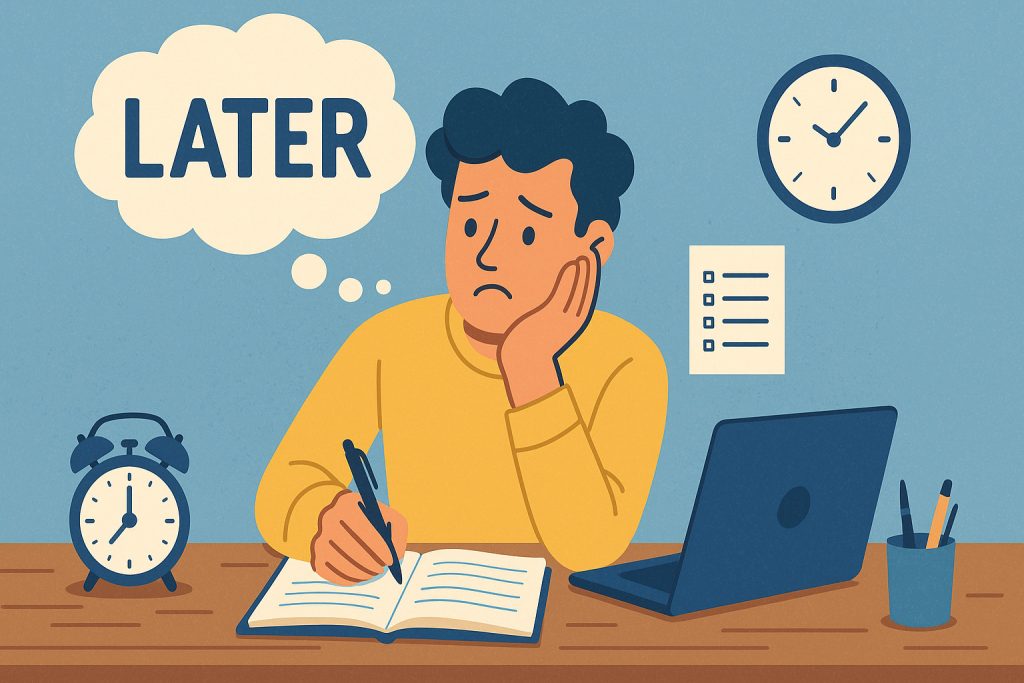
What Your Procrastination Really Means (And How to Fix It)
Procrastination is a universal phenomenon that almost everyone experiences at some point in their lives. Whether you’re putting off writing that important report or delaying a visit to the doctor, understanding the underlying reasons behind procrastination can significantly change your approach. This article will explore what procrastination really means, the psychological factors involved, and actionable strategies to finally overcome it.
Understanding Procrastination: More Than Just Laziness
At its core, procrastination isn’t simply a matter of poor time management or laziness. Research in psychology suggests that it often stems from deeper emotional issues.
The Psychological Factors
-
Fear of Failure: Many people procrastinate because they fear they won’t meet their own expectations or the expectations of others. This fear can paralyze you, making you prefer to avoid the task altogether rather than confront potential failure.
-
Perfectionism: Perfectionists often procrastinate because they believe the task must be done to perfection. This can lead to avoidance as they wait for the “perfect” moment or conditions to begin.
-
Low Self-Esteem: If you struggle with feelings of inadequacy, the prospect of taking on a new challenge may seem daunting. As a result, you may put off the task to avoid grappling with these emotions.
-
Lack of Motivation: Sometimes, the task at hand simply doesn’t excite you. If you can’t see the personal importance or value in completing a task, it may be easier to push it aside.
-
Overwhelm: Large tasks can feel insurmountable. When faced with a significant amount of work, it’s common to feel lost or overwhelmed, leading to a tendency to procrastinate.
By identifying the underlying causes of your procrastination, you can begin to address these psychological barriers effectively.
The Consequences of Procrastination
Ignoring tasks can lead to a cascade of negative effects in various areas of life. Here are some consequences of chronic procrastination:
- Increased Stress: As deadlines loom closer, the anxiety generated by uncompleted tasks can escalate.
- Reduced Productivity: Putting off tasks affects your overall output, making it harder to achieve your goals.
- Impaired Relationships: In professional and personal relationships, failing to fulfill commitments can lead to trust issues.
- Health Problems: Chronic procrastination related to self-care, such as neglecting medical appointments, can adversely affect physical and mental health.
The Cycle of Procrastination
Understanding the cycle of procrastination can also help you break free from this behavior. Here’s how it typically works:
- Task Averseness: You begin by feeling overwhelmed or disinterested in a task.
- Avoidance: To escape these feelings, you distract yourself with more comfortable activities, such as watching TV or scrolling through social media.
- Temporary Relief: You may experience temporary satisfaction from avoiding the task, creating a false sense of achievement.
- Increased Anxiety: As deadlines approach, the anxiety of having not completed the task builds, leading to increased stress.
Recognizing this cycle is the first step toward breaking it.
Strategies for Overcoming Procrastination
Now that we have delved into what procrastination means and its consequences, let’s explore effective strategies to combat it.
1. Set Clear Goals
Establish SMART goals (Specific, Measurable, Achievable, Relevant, Time-bound). Clear, well-defined objectives can provide direction and motivate you to start.
2. Break Tasks into Smaller Steps
Large tasks can feel intimidating. Breaking tasks into smaller, manageable steps can help you focus on immediate actions rather than the overall project.
“The secret of getting ahead is getting started.” – Mark Twain
3. Use the Pomodoro Technique
This technique encourages you to work in short bursts (typically 25 minutes), followed by a 5-minute break. This creates a rhythm that can streamline your workflow and boost productivity.
4. Limit Distractions
Create a workspace that minimizes distractions. Turn off unnecessary notifications on your devices, and set boundaries with those around you during your focused work time.
5. Practice Self-Compassion
Accept that it’s okay to make mistakes. Being overly self-critical can hinder your motivation. Approach your tasks with a positive mindset and treat yourself kindly.
6. Establish a Routine
Consistency is crucial. Having a set schedule can greatly reduce procrastination tendencies by making your tasks part of your daily rhythm.
7. Seek Accountability
Share your goals with a friend or colleague. Having someone to check in with can bolster your motivation and make it harder to procrastinate.
8. Visualize Success
Take some time to envision what completing your tasks will feel like. This positive visualization can help reinforce your motivation to get started.
9. Reward Yourself
Create a system of rewards for completing your tasks. This can incentivize you to push through the initial resistance to tackle your work.
10. Reach Out for Help
If your procrastination stems from overwhelm or anxiety, don’t hesitate to seek professional help. A therapist or coach can provide support and strategies tailored to your situation.
Important Insights from Experts
Several thought leaders and psychologists have written extensively about procrastination and productivity. Here are some noteworthy insights:
“Procrastination is not simply a time management issue; it’s often a symptom of something deeper—fear, insecurity, or lack of motivation.” – Timothy Pychyl
This perspective underlines the notion that addressing the personal obstacles behind procrastination is often more crucial than merely improving time-management skills.
Conclusion
Understanding the psychological roots of your procrastination not only helps you tackle it more effectively but empowers you to cultivate healthier habits that promote productivity. By implementing the strategies outlined above, you can break free from the cycle of procrastination, making way for a more fulfilling and productive life.
Q&A Section
Q: Is procrastination a sign of laziness?
A: No, procrastination is often more complex. While it may appear as laziness, it commonly stems from emotional factors such as fear of failure or perfectionism.
Q: What is the best method to tackle procrastination?
A: Everyone is different, but many have found success with the Pomodoro Technique, breaking tasks into smaller steps, and setting clear goals.
Q: Can therapy help with procrastination?
A: Yes, a professional therapist can help you explore the underlying causes of your procrastination and develop tailored strategies to address it.
For further reading on building better habits and improving productivity, check out our articles on The Counterintuitive Way to Build Better Habits Faster and How to 10X Your Productivity Without Burning Out. Also, if you’re curious about the Silent Habits of People Who Always Seem to Have It Together, don’t miss that insightful read!
By applying these insights and strategies, you can take significant steps toward overcoming procrastination and achieving your goals.