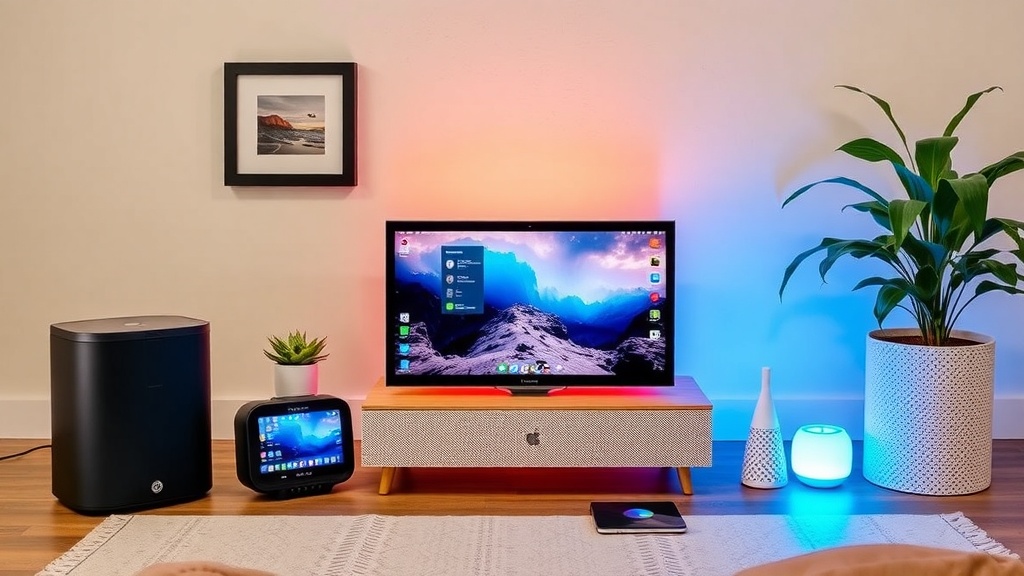
Your Home Is About to Get a Tech Makeover
The concept of “home” is evolving. It’s no longer just a physical space; it’s becoming an intuitive, responsive ecosystem designed to enhance every facet of our daily lives. We’re standing at the precipice of a revolution, where our living spaces are transforming into smart homes — intelligent environments that anticipate our needs, manage our chores, and connect us to the world in unprecedented ways. If you thought smart speakers were the peak of home tech, prepare yourself, because your home is about to get a tech makeover that will redefine convenience, security, efficiency, and entertainment.
This isn’t about futuristic fantasies from sci-fi movies anymore. The technology is here, accessible, and increasingly affordable. From subtle upgrades that streamline your morning routine to comprehensive systems that monitor your home’s well-being, the possibilities are vast. This makeover isn’t just about adding gadgets; it’s about integrating systems that work together seamlessly, creating a truly connected home experience.
The Smart Home Ecosystem: More Than Just Gadgets
At the heart of any true home automation is the concept of an ecosystem. It’s not enough to have a smart light bulb and a smart thermostat operating independently. The real magic happens when these devices communicate, share data, and respond to your commands, schedules, or even environmental changes. Think of it as an orchestra, where each instrument plays its part, but a central conductor (often a smart hub or voice assistant like Amazon Alexa, Google Assistant, or Apple HomeKit) ensures harmony.
This interconnectedness is what transforms a collection of smart devices into a cohesive, intelligent living space. Imagine your alarm clock triggering your lights to gradually brighten, your coffee maker to start brewing, and the thermostat to adjust to your preferred morning temperature — all before you even step out of bed. This level of integration is no longer a pipe dream; it’s the present and future of smart living.

Image Alt: Your Home Is About to Get a Tech Makeover
Key Pillars of Your Tech Makeover
Let’s dive into the specific areas where technology is making the biggest impact, offering practical solutions and luxurious conveniences that will change how you interact with your home.
1. Smart Lighting: Setting the Mood and Saving Energy
Gone are the days of simple on/off switches. Smart lighting systems like Philips Hue, Govee, or LIFX offer an incredible array of features. You can control lights from your phone, schedule them to turn on and off automatically, or even adjust their color temperature and brightness to suit your mood or the time of day. Imagine warm, soft light for a cozy evening, or bright, invigorating light to help you focus during work hours.
Beyond aesthetics, smart lighting is a cornerstone of energy efficiency. Motion sensors can ensure lights only turn on when a room is occupied, and smart schedules can reduce wasted electricity. Some systems even mimic occupancy when you’re away, adding an extra layer of security.
“Smart lighting is often the first step people take into home automation because its benefits are immediately tangible. It’s not just about convenience; it’s about creating an atmosphere and intelligently managing energy consumption.” – Tech Home Expert
Key Tip: Look for smart bulbs or switches that are compatible with your chosen smart home hub (e.g., Alexa, Google Home) to ensure seamless integration and control.
2. Climate Control: Intelligent Comfort and Efficiency
Maintaining the perfect indoor temperature while keeping energy bills low used to be a constant battle. Smart thermostats like Nest or Ecobee have revolutionized this. These devices learn your preferences over time, adjusting heating and cooling based on your schedule, presence detection, and even external weather data.
Many smart thermostats also offer features like:
- Remote control: Adjust the temperature from anywhere using your smartphone.
- Zoning capabilities: Control different areas of your home independently.
- Energy reports: Gain insights into your energy usage to make smarter choices.
- Air quality monitoring: Some advanced models can even monitor indoor air quality and integrate with smart air purifiers.
This proactive approach to climate control ensures optimal comfort while significantly reducing your carbon footprint and saving money.
3. Enhanced Security: Peace of Mind in a Connected World
One of the most compelling reasons for a tech makeover is the unparalleled peace of mind offered by smart home security systems. These aren’t just alarms; they’re comprehensive, interconnected networks designed to protect your home and loved ones.
- Smart Locks: Keyless entry, remote locking/unlocking, temporary access codes for visitors or service providers, and notifications for door activity.
- Video Doorbells: See, hear, and speak to visitors from anywhere, even when you’re not home. Brands like Ring and Arlo have made this a standard feature for modern homes.
- Security Cameras: Indoor and outdoor cameras with motion detection, night vision, two-way audio, and cloud storage for recorded footage.
- Motion and Contact Sensors: Detect movement or open doors/windows, triggering alerts or other smart home actions.
- Environmental Sensors: Smoke, carbon monoxide, flood, and leak detectors that send instant alerts to your phone.
With a connected home security system, you’re always aware of what’s happening, whether you’re at work, on vacation, or asleep.
4. The Heart of the Home: Smart Kitchen & Appliances
The kitchen, often considered the heart of the home, is getting a major upgrade. Smart kitchen appliances are designed to make cooking, meal prep, and food management easier and more efficient.
- Smart Refrigerators: These can track inventory, suggest recipes based on what you have, create grocery lists, and even display calendars or family notes. Some models have internal cameras so you can peek inside from the grocery store.
- Smart Ovens: Preheat remotely, precisely control cooking temperatures, follow guided recipes, and even self-clean on schedule.
- Smart Coffee Makers: Wake up to a freshly brewed cup programmed right from your phone.
- Smart Dishwashers & Washing Machines: Start cycles remotely, monitor progress, and receive notifications when tasks are complete.
While some of these might seem like luxury items, they contribute significantly to convenience and can help manage household chores more effectively.
5. Entertainment Reinvented: Immersive Experiences
Your living room can become a true cinematic or auditory paradise with smart home entertainment.
- Smart TVs: Beyond streaming, smart TVs integrate with your home assistant, allowing voice control for channels, volume, and even smart home devices.
- Smart Sound Systems: Multi-room audio systems like Sonos let you stream different music in different rooms or sync them for a unified sound experience.
- Home Theater Integration: Control your projector, screen, lighting, and sound system with a single command or a tap on your smartphone.
- Gaming: Consoles are already highly integrated, and with VR/AR advancements, the gaming experience is becoming even more immersive within your smart home setup.
Key Tip: When building an entertainment hub, consider Wi-Fi 6 or mesh Wi-Fi systems to ensure robust connectivity for seamless streaming and gaming, especially in larger homes.
6. Health & Wellness: A Home That Cares For You
A truly future-proof home isn’t just about convenience and security; it’s also about supporting your well-being.
- Smart Air Purifiers: Automatically detect pollutants and allergens, adjusting filtration levels to maintain optimal indoor air quality.
- Sleep Tracking Devices: Integrate with your smart bed or wearable to monitor sleep patterns, and some can even adjust bedroom lighting or temperature for better rest.
- Smart Scales: Track weight, body fat, and other metrics, syncing data directly to health apps.
- Hydroponic Gardens: For the truly green-thumbed, smart indoor gardens allow you to grow fresh herbs and vegetables year-round with automated watering and lighting.
Your home can become a proactive partner in maintaining a healthier lifestyle.
7. Automated Cleaning & Maintenance: The Unsung Heroes
The less glamorous but incredibly valuable aspects of home automation involve routine chores.
- Robot Vacuums & Mops: Brands like Roomba, Roborock, and Ecovacs have perfected the art of autonomous cleaning. Schedule them to run when you’re out, or command them with your voice. Many can map your home, avoid obstacles, and even self-empty their dustbins.
- Smart Irrigation Systems: Water your lawn or garden based on weather forecasts, soil moisture levels, and plant-specific needs, saving water and keeping your greenery healthy.
- Smart Garage Door Openers: Control access, receive notifications if the door is left open, and integrate with other smart home routines.
These overlooked gadgets can save countless hours, allowing you to focus on what truly matters. For more ideas on practical tech, you might find inspiration in this article: The Most Overlooked Gadgets That Solve Everything.
Beyond the Gadgets: The Power of Automation and Routines
The true brilliance of a tech makeover lies in linking devices together to create “routines” or “scenes.” These are sequences of actions triggered by a single command, time, or event.
- “Good Morning” Routine: Voice command triggers blinds to open, smart lights to brighten gradually, the smart speaker to play news, and the coffee maker to start.
- “Leaving Home” Routine: With a single tap or voice command, lights turn off, doors lock, thermostat adjusts to energy-saving mode, and security cameras activate.
- “Movie Night” Scene: Dim the lights, close smart blinds, turn on the TV and sound system, and adjust the thermostat for optimal comfort.
This seamless integration makes your home feel truly intelligent and responsive. To dive deeper into how tech can transform your daily life, check out: Your Daily Routine Just Got a Tech Upgrade.
Choosing the Right Tech: A Strategic Approach
Embarking on a smart home journey can feel overwhelming given the sheer volume of products available. Here are some tips to navigate the landscape:
- Start Small, Think Big: Begin with one or two areas (e.g., lighting or security) and expand gradually. But always consider how new devices will integrate with your existing or planned ecosystem.
- Compatibility is Key: Stick to devices that work with your preferred smart home platform (Amazon Alexa, Google Home, Apple HomeKit, Samsung SmartThings, Zigbee, Z-Wave). This avoids isolated gadgets and ensures everything communicates effectively.
- Prioritize Your Needs: What problems are you trying to solve? Energy savings, security, convenience, or entertainment? Let your priorities guide your purchases.
- Budget Wisely: While some high-end gadgets can be pricey, many affordable and effective options exist. Don’t fall for every shiny new toy. Sometimes, the most expensive isn’t always the best fit for your needs. If you’re concerned about costly tech, you might want to read: Gadgets That Defy Physics (And Your Wallet).
- Consider Privacy and Security: Research how companies handle your data. Opt for brands with strong security protocols and good privacy policies.
- Future-Proofing: Technology evolves rapidly. Choose devices from reputable brands that offer software updates and are likely to support new standards.
Overcoming Challenges: Security, Privacy, and Connectivity
While a tech makeover offers immense benefits, it’s essential to address potential challenges:
- Cybersecurity: Every connected device is a potential entry point for hackers. Use strong, unique passwords, enable two-factor authentication, and keep your device firmware updated. Investing in a good smart home router with built-in security features is also advisable.
- Privacy Concerns: Smart devices collect data about your habits and home. Read privacy policies carefully and adjust settings to limit data sharing where possible. Understand what data is being collected and how it’s used.
- Network Reliability: A strong, stable Wi-Fi network is the backbone of any smart home. Consider upgrading to a mesh Wi-Fi system if you have a large home or experience dead zones.
- Interoperability: While standards are improving (like the new Matter standard), some devices still struggle to communicate. This is why sticking to a primary ecosystem is often recommended.
- Power Outages: Plan for how your essential smart devices will function during a power outage. Battery backups for key security components are a must.
The Future is Now: Emerging Trends
The evolution of the smart home is far from over. Here’s a glimpse of what’s on the horizon:
- Hyper-Personalization with AI: AI will move beyond simple learning to truly anticipate needs, not just react to them. Imagine a home that adjusts lighting, music, and temperature based on your stress levels or specific activities detected.
- Spatial Computing & Augmented Reality: Future interfaces might involve interacting with your home’s systems through AR overlays, gesturing to control devices, or holographic displays.
- Energy Grid Integration: Homes will not just consume energy intelligently but also potentially generate and share it with the grid, becoming active participants in sustainable energy systems.
- Proactive Maintenance: Sensors will not only detect leaks but predict appliance failures before they happen, prompting preventative maintenance.
Your home isn’t just getting smarter; it’s becoming an active partner in your well-being, efficiency, and security.
Conclusion: Embrace the Smart Home Evolution
The era of the tech-infused home is no longer a luxury for the privileged few; it’s becoming an accessible reality for everyone. A smart home tech makeover offers a unique opportunity to tailor your living space to your exact needs, enhancing convenience, bolstering security, optimizing energy usage, and enriching your daily experiences.
By strategically integrating connected devices and leveraging the power of home automation, you can transform your house into an intuitive sanctuary that supports your lifestyle. Whether you start with a single smart bulb or embark on a full-scale renovation, the journey into smart living is an exciting one. Get ready, because your home is about to get a tech makeover, and it’s going to change how you live, for the better.
Q&A: Your Smart Home Makeover Questions Answered
Q1: Is a smart home makeover expensive?
A1: The cost varies significantly. You can start small with affordable devices like smart plugs or single smart bulbs for under $20-$30 each. A comprehensive makeover with integrated systems and premium appliances can run into thousands. The key is to start with your priorities and budget, then expand gradually.
Q2: What’s the easiest way to start a smart home?
A2: The easiest entry points are usually smart lighting (e.g., smart bulbs) or a smart speaker (like an Amazon Echo Dot or Google Nest Mini). These provide immediate convenience and act as a hub for future additions. Smart plugs are also a great way to make existing “dumb” appliances smart.
Q3: Do I need a professional to install smart home devices?
A3: Most consumer-grade smart home devices are designed for DIY installation, especially lighting, smart plugs, and even many smart thermostats. However, for complex installations like whole-home security systems, integrated home theaters, or advanced smart wiring, professional installation might be beneficial.
Q4: What happens if my internet goes down? Will my smart home still work?
A4: It depends on the device. Devices that rely on cloud services (like voice assistants, remote control via apps, or features that require external data like weather) will stop working or have limited functionality. However, many smart devices, especially those using local protocols like Zigbee or Z-Wave, can still function for basic tasks (e.g., turning lights on/off via a smart switch) even without an internet connection, provided your local network is still operational. Some devices have “offline mode” capabilities.
Q5: Are smart home devices secure from hackers?
A5: No system is 100% immune, but reputable brands invest heavily in security. To protect your smart home:
- Use strong, unique passwords for all devices and your Wi-Fi network.
- Enable two-factor authentication (2FA) wherever possible.
- Keep device firmware and apps updated.
- Use a secure Wi-Fi router.
- Be cautious about sharing access or data.
Q6: What is the “Matter” standard, and why is it important?
A6: Matter is a new, open-source connectivity standard designed to enable smart home devices from different manufacturers to work seamlessly together, regardless of their brand or underlying technology (Wi-Fi, Thread, Ethernet). It aims to simplify the smart home experience, improve compatibility, and reduce fragmentation, making it easier for consumers to choose and integrate devices. It’s a significant step towards a truly interoperable connected home.