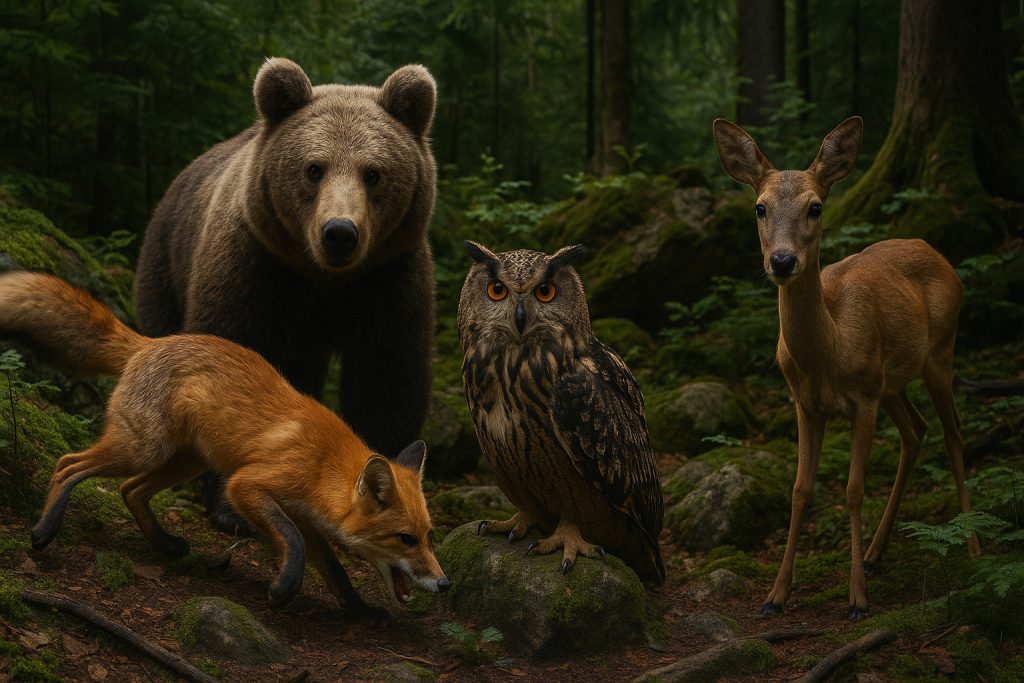
Unseen Wildlife Moments Caught on Camera
In today’s digital world, avid photographers and nature lovers often capture stunning and unusual wildlife moments that leave us in awe. From rare animal behaviors to heartwarming interactions, these unseen wildlife moments remind us of the beauty and diversity of nature. In this article, we’ll explore some of the most incredible footage obtained from wildlife enthusiasts, discuss techniques for capturing remarkable wildlife photography, and share insights into the behavior of animals that are often hidden from our daily view. Whether you’re an aspiring photographer or simply a nature lover, there’s a wealth of knowledge to be gained from the world of wildlife.
The Fascination of Wildlife Photography
Wildlife photography is more than just taking pictures; it’s about telling a story through the lens. Incredible wildlife moments, such as a mother bear protecting her cubs or the elusive hunting tactics of a snowy owl, are often fleeting, and capturing these instances requires patience, skill, and sometimes a little luck.
Photographers often spend hours—if not days—waiting for that perfect moment, showcasing the magnitude of dedication that goes into this craft. The challenge lies not only in the photographic techniques but also in understanding animal behavior. This understanding can significantly enhance the likelihood of snapping that once-in-a-lifetime photo.
Essential Techniques for Capturing Wildlife
To help you start your journey in wildlife photography or improve your skills, here are some key tips to bear in mind:
-
Learn Animal Behavior: Understanding when and where animals may be active can provide insight into the best times to shoot. For example, many mammals are more active during dawn and dusk.
-
Use the Right Equipment: A good quality camera with a powerful zoom lens is crucial. Wildlife is often found at a distance, and a zoom lens will help you capture details without disturbing your subject.
-
Practice Patience: Wildlife photography requires waiting. Often, the best shots come after extended periods of quiet observation.
-
Shoot in the Right Light: The golden hour—early morning or late afternoon—offers the best lighting conditions and provides a warm glow to your images.
-
Stay Hidden: Blending into the environment can increase the chances of observing wildlife. Wearing neutral colors and staying still minimizes disturbance.
The Impact of Technology on Wildlife Observation
Advancements in technology have transformed wildlife photography. With the advent of trail cameras and drones, many nature enthusiasts can now monitor animal behaviors without being intrusive. These devices can capture everything from rare animal sightings to previously unseen mating rituals.
Using cameras with motion sensors allows photographers to document wildlife activities while remaining at a safe distance. These techniques have even led to stunning documentaries that showcase these hidden behaviors.
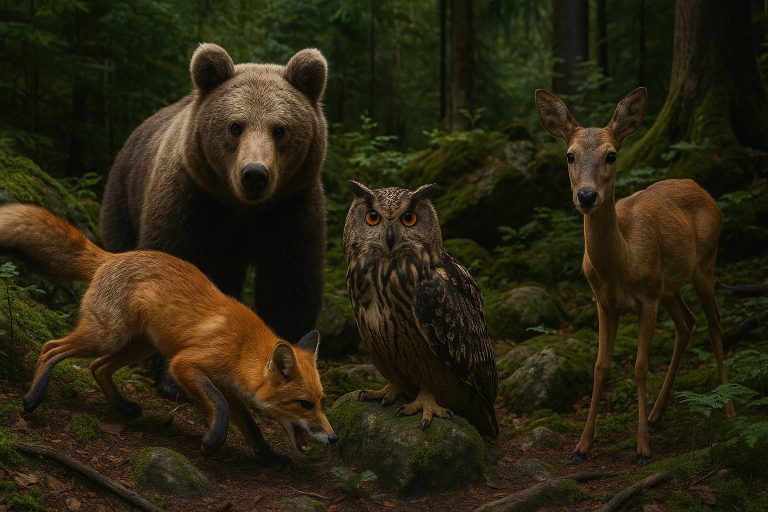
Image Source: Viraldailynow.com
Stories of Unseen Wildlife Moments
Across the globe, extraordinary wildlife moments caught on camera are not just visually striking—they tell the tales of the complex interactions that happen in nature. Here are just a few unbelievable wildlife stories captured through the lens:
1. The Dance of the Fireflies
In a breathtaking display, a group of fireflies can create an enchanting nighttime spectacle. One exceptional video showcases thousands of fireflies lighting up a forest during mating season, creating a magical environment that captures the essence of a summer night.
2. Cheetah Mothers and Their Cubs
A heartwarming series of images and clips show cheetah mothers teaching their young cubs the art of survival. These enduring moments of affection and playful antics between mother and cubs remind us of the fierce dedication seen in the animal kingdom.
3. An Unexpected Predator
A surprising moment occurred when a previously filmed raccoon was seen cleverly using tools to open a trash bin in search of food. This instance highlights the incredible intelligence and adaptability of raccoons, abilities that often go unnoticed by the average observer.
4. The Playful Sea Otters
Captured on video, sea otters were seen playing with kelp to anchor themselves while they slept—showing their impressive problem-solving skills. These quirky behaviors remind us that there’s always more to the animal world than meets the eye.
While these remarkable clips and images are entertaining, they also serve to raise awareness about wildlife conservation. Documenting these extraordinary moments emphasizes the need to protect natural habitats and educate others about animal behaviors and interactions.
The Importance of Conservation Efforts
As we revel in the splendor of unseen wildlife moments, it’s essential to acknowledge the ever-present threats that many animal species face. Habitat destruction, climate change, and poaching are just a few of the issues that endanger wildlife.
Organizations like the World Wildlife Fund (WWF) and local wildlife rescue groups play a vital role in advocating for these creatures. Through their efforts, they not only work to protect animals but also to educate the public about the importance of conservation.
“Protecting our environments ensures a future where both wildlife and humans can coexist and benefit from each other.” — Wildlife Conservation Expert
Connecting with Nature: Tips for an Engaging Experience
For those aspiring to observe and document wildlife, here are practical steps that can enhance your experience:
-
Join Local Wildlife Groups: Being part of a community can provide support and valuable knowledge about local wildlife.
-
Learn About Local Ecosystems: Understanding the different ecosystems in your area can help you appreciate the diversity of wildlife and their specific needs.
-
Volunteer in Conservation Projects: Supporting wildlife conservation efforts through volunteering can deepen your connection to nature and give you hands-on experience.
Q&A Section
What equipment do I need to start wildlife photography?
You will need a camera with good resolution, a quality zoom lens, a sturdy tripod, and possibly a teleconverter for extra zoom reach.
When is the best time to photograph wildlife?
The golden hours—just after dawn and before dusk—are considered ideal times due to the quality of light. Animals are often more active during these times as well.
How can I support wildlife conservation?
You can support through donations to wildlife organizations, volunteering your time for local conservation projects, and by promoting awareness about wildlife issues within your community.
What are some common mistakes to avoid in wildlife photography?
Common mistakes include:
- Getting too close and disturbing wildlife
- Not having sufficient knowledge about animal behavior
- Ignoring the importance of light and composition
By understanding the impact of our actions and leveraging modern technology, we can engage more meaningfully with wildlife. For more captivating stories from the animal world, check out our article on Terrifying Animal Defense Mechanisms Exposed or take a look at The Most Heart-Warming Wildlife Rescue Stories. If you’re interested in some bizarre behaviors under the surface, don’t miss Rare Animal Behaviors That Will Leave You Speechless.
In conclusion, unseen wildlife moments provide a profound lens into the lives of the creatures we share our planet with. Through education, patience, and respect for nature, you can embark on a rewarding journey in wildlife photography and foster a deeper appreciation for the natural world. Happy shooting!


