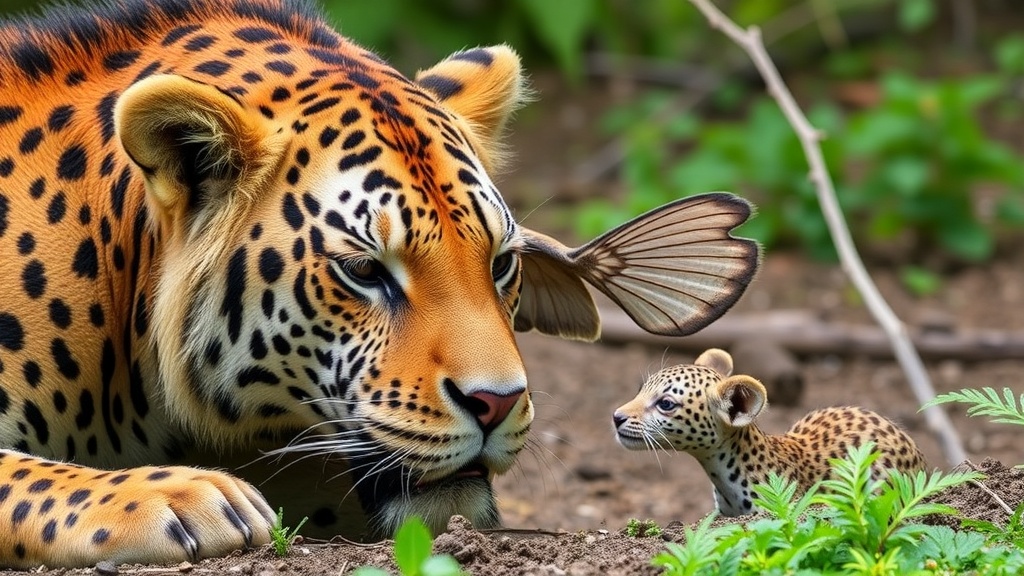
Animal Parenting Techniques That Will Amaze You
The animal kingdom is a vibrant tapestry of life, constantly surprising us with its complexity, beauty, and often, its sheer brutality. Yet, amidst the daily struggle for survival, a profound and universally relatable instinct thrives: parenthood. From the vast oceans to the densest jungles, animal parenting techniques are as diverse as the species themselves, showcasing astonishing dedication, ingenuity, and sometimes, outright bizarre methods to ensure the next generation survives. Far from being a simple affair, the art of raising young in the wild is a masterclass in adaptation, strategy, and unwavering love, redefined by the harsh realities of nature.
While humans often consider their own parenting challenges unique, a glimpse into the natural world reveals a spectrum of parental devotion that can range from lifelong commitment to a fleeting, yet intensely significant, act of sacrifice. These strategies are not arbitrary; they are the culmination of millions of years of evolution, finely tuned to the specific environmental pressures, dietary needs, and predator threats faced by each species. Prepare to have your perceptions challenged and your mind opened to the truly amazing animal parents that populate our planet.
The Universal Drive: Ensuring Tomorrow’s Legacy
At its core, animal parenting serves one primary biological imperative: the successful propagation of genes. Whether it’s a single-celled organism dividing or a primate raising its offspring for years, the goal is to ensure the survival and reproductive success of the next generation. However, the paths taken to achieve this goal vary dramatically. Some species offer no parental care at all, relying on sheer numbers and genetic lottery, while others invest monumental amounts of time, energy, and even their own lives into nurturing their young.
The degree of parental investment often correlates with the number of offspring. Species that produce many offspring, like most fish or insects, typically offer minimal or no care, relying on quantity to offset high mortality rates. Conversely, species that produce fewer, more vulnerable young, such as mammals and birds, usually exhibit extensive parental care, meticulously feeding, protecting, and teaching their offspring. This fundamental trade-off between quantity and quality of care is a cornerstone of evolutionary biology and a key driver behind the incredible diversity of wildlife parenting strategies we observe.
The Ultimate Protectors: Fierce Parental Defense
When it comes to safeguarding their precious offspring, many animal parents transform into formidable, fearless guardians, ready to face down any threat, no matter how large or dangerous. This fierce parental defense is a testament to the power of instinct and the incredible lengths an animal will go to ensure its lineage continues. These aren’t just acts of aggression; they are calculated risks, often performed with astounding courage, putting the parent’s own life on the line.
Consider the polar bear mother. After months of gestation and birth in a secluded snow den, she emerges with her tiny cubs into the unforgiving Arctic wilderness. For the next two to three years, she will be their sole protector and provider, teaching them to hunt, navigate the treacherous ice, and survive in one of Earth’s harshest environments. Her immense strength and powerful jaws are deployed without hesitation against anything that might threaten her cubs, from male polar bears to human interlopers. Her vigilance and protective instincts are absolute, a relentless dedication to her vulnerable young.
Then there are the emperor penguins of Antarctica, whose animal parenting techniques involve an astonishing endurance feat. Males brave the brutal Antarctic winter, incubating a single egg on their feet for over two months without food, enduring blizzards and temperatures plummeting to -60°C. They huddle together in vast colonies, sharing warmth and battling starvation, all for the sake of the unhatched chick. Once hatched, both parents take turns making arduous journeys to the sea to fish, bringing back food for their rapidly growing chick. This level of self-sacrifice and environmental resilience for offspring survival is truly unparalleled.
The American Alligator provides another striking example. Far from the image of a cold-blooded predator, female alligators construct elaborate nests, then ferociously guard their eggs against raccoons, birds, and other predators. Once the hatchlings emerge, calling out with high-pitched chirps, the mother gently transports them in her powerful jaws to the water, often protecting them for several months. Her intimidating presence ensures that few dare to approach her brood.

Image Alt: Animal Parenting Techniques That Will Amaze You
Master Educators: Teaching Survival Skills
Protection is only one part of the parenting equation; another crucial aspect is education. Many animal parents dedicate significant time and effort to teaching survival skills to their offspring, preparing them for an independent life in a world full of challenges. This hands-on animal education is vital, as instinct alone often isn’t enough to navigate the complex social structures and hunting demands of their environment.
Take the cheetah, for instance. Growing up in the open savannas, cheetah cubs need to learn the intricate art of hunting. Their mothers don’t just provide food; they provide lessons. Initially, she brings back live prey, injured but not dead, allowing her cubs to practice their stalking and killing techniques. As the cubs grow, she takes them on hunts, demonstrating the precision and speed required to take down gazelles or impalas. This gradual, interactive training is crucial for the cubs to develop the skills necessary to become successful predators themselves.
Meerkats, those charismatic social mongooses, exhibit an equally impressive teaching regimen. Living in groups, meerkat pups need to learn how to deal with dangerous prey, especially scorpions, whose stings can be lethal. Adult meerkats act as patient mentors, bringing live scorpions to the pups, but often with the stingers removed. As the pups gain confidence, the adults present less “prepared” scorpions, gradually allowing the young to practice disarming the venomous creatures themselves. This structured learning process significantly improves their chances of survival.
“The diversity of teaching methods in the animal kingdom reminds us that learning is not exclusive to humans. From predator evasion to complex foraging, these animal parents are truly the unsung heroes of education, shaping the future of their species one lesson at a time.”
— Dr. Eleanor Vance, Animal Ethologist
For more insights into the fascinating behaviors of the animal kingdom, explore our article on Secrets of the Animal Kingdom You Won’t Believe.
Among the most sophisticated educators are orangutans. With one of the longest juvenile dependencies in the animal kingdom, young orangutans stay with their mothers for up to eight years, sometimes even longer. During this extended childhood, mothers meticulously teach their offspring everything they need to know: how to find hundreds of different types of fruits, leaves, and insects, how to build safe nests high in the trees, and how to navigate the complex social dynamics of their rainforest habitat. This intensive, long-term apprenticeship is essential for the young orangutan’s survival and reproductive success.
The Ultimate Sacrifice: Investing Everything
Perhaps the most awe-inspiring and heartbreaking animal parenting techniques involve parents making the ultimate sacrifice for their offspring. This isn’t just about risking life, but about an absolute, often fatal, dedication where the parent’s life literally becomes the fuel for the next generation. These acts of parental sacrifice highlight the profound, instinctual drive to ensure the continuation of the species, even at the cost of one’s own existence.
One of the most poignant examples comes from the deep sea: the Graneledone boreopacifica octopus. This remarkable creature was observed brooding her eggs for an astonishing 4.5 years, the longest brooding period known for any animal. During this time, the mother meticulously guards her clutch, fanning them with her arms to keep them oxygenated and free of debris. She never leaves her eggs to hunt, slowly starving herself. By the time the eggs hatch, the mother is frail and weak, often dying shortly thereafter. Her entire life culminates in this single, monumental act of dedication to offspring, demonstrating a level of maternal devotion that few can fathom.
Another well-known example is the Pacific salmon. After a long, arduous journey upstream, battling currents and predators, female salmon lay their eggs in the gravel beds of freshwater rivers. Males then fertilize them. Both parents, having expended all their energy reserves and endured significant physical toll, typically die within days of spawning. Their decomposing bodies release nutrients into the water, benefiting the very ecosystem that will support their hatched fry. This is a dramatic, final act of instinctual selflessness, a complete life cycle dedicated to reproduction.
Even insects exhibit this kind of extreme investment. The female praying mantis, notorious for sexual cannibalism, sometimes consumes the male during or after mating. While this might seem brutal, it provides a vital boost of protein and nutrients for the developing eggs, indirectly contributing to their viability. It’s an extreme example of how a parent’s very being can fuel the next generation.
Unconventional & Bizarre Strategies: Redefining Parental Roles
Not all animal parenting techniques fit neatly into our preconceived notions of care. The animal kingdom is full of unique parenting strategies that defy expectations, from shirking all responsibility to completely reversing traditional gender roles. These unconventional animal parents showcase the endless adaptability of evolution.
Perhaps the most famous example of parental shirking is brood parasitism, epitomized by the cuckoo bird. Cuckoo mothers lay their eggs in the nests of other species, leaving the unwitting foster parents to raise their chick. The cuckoo chick often hatches first and pushes the host’s eggs or chicks out of the nest, monopolizing all the resources and attention. This clever, albeit cruel, strategy allows the cuckoo to produce many more eggs than it could if it invested in parental care itself, effectively outsourcing its parenting duties.
In stark contrast, the seahorse reverses traditional gender roles, with the male taking on the primary responsibility for gestation. The female deposits her eggs into a specialized brood pouch on the male’s abdomen. The male then fertilizes the eggs and carries them until they are ready to hatch, providing oxygen and regulating salinity. This male pregnancy is a fascinating adaptation, allowing the female to prepare for the next clutch of eggs, potentially increasing reproductive output for the species.
Many fish species, particularly African cichlids, employ a strategy called mouthbrooding. After spawning, one or both parents (often the female) collect the fertilized eggs into their mouth and carry them for several weeks. Once the eggs hatch, the fry continue to find refuge in the parent’s mouth when danger threatens. This provides a highly effective form of protection from predators, albeit at the cost of the parent’s ability to feed during the brooding period.
Beyond individual parental units, some species practice communal rearing or alloparenting, where multiple adults contribute to raising the young. Elephants, with their complex matriarchal societies, are excellent examples. All the female members of a herd, including aunts, sisters, and grandmothers, participate in protecting, teaching, and even suckling the calves. This collective effort enhances the calves’ survival rates and fosters strong social bonds within the herd. Similarly, lionesses often raise their cubs together in a crèche, sharing nursing duties and communal protection. This collaborative approach highlights the benefits of cooperation in ensuring the animal family life thrives.
The Role of Environment and Evolution in Parenting Styles
The myriad of animal parenting techniques seen across the globe is not random; it is a direct result of the interplay between a species’ environment, its evolutionary history, and the challenges it faces. Predator density, food availability, climate, social structure, and even the lifespan of the species all contribute to shaping the most effective parenting strategy.
For instance, in environments with abundant predators, highly protective parenting strategies, like those of alligators or polar bears, are favored. In resource-scarce environments, strategies like communal rearing might develop to pool resources and ensure more young survive. The sheer length of an animal’s lifespan can also influence parenting. Longer-lived species, like elephants or orangutans, can afford to invest in longer periods of parental care and education, as they have more time to reproduce over their lifetime. Conversely, short-lived species often focus on rapid reproduction and minimal parental investment.
The evolution of parenting is a dynamic process, constantly adapting to changing conditions. Each strategy, no matter how strange or familiar, represents a successful blueprint for passing on genetic material, honed over millennia through natural selection. Exploring these diverse approaches offers us a deeper appreciation for the intricate dance of life and survival on our planet. For more fascinating insights into how animals overcome daily challenges, read about How These Wild Animals Cheat Death Daily.
Conclusion: A World of Parental Wonders
From the deepest oceans to the highest mountain peaks, the animal kingdom offers an endless source of wonder and inspiration, particularly when it comes to the incredible dedication of parents. The animal parenting techniques that will amaze you are not mere anecdotes; they are profound examples of biological imperative, evolutionary brilliance, and often, an emotional depth that transcends species boundaries.
Whether it’s the fierce protection of a mother bear, the patient teachings of a meerkat, the ultimate sacrifice of an octopus, or the ingenious role reversal of a seahorse, each story highlights the extraordinary lengths living beings will go to nurture and perpetuate life. These diverse strategies underscore a universal truth: the drive to protect and ensure the future of one’s offspring is one of the most powerful forces in nature. As we continue to uncover more about these hidden worlds, we gain a renewed appreciation for the complexity and sheer beauty of wildlife parenting and the enduring miracle of life itself. To delve deeper into the unexplained aspects of the animal world, check out Wildlife’s Greatest Mysteries Finally Solved.
Q&A: Your Questions About Animal Parenting Answered
Q1: Do all animals care for their young?
A1: No, not all animals provide parental care. Many species, particularly insects, fish, and amphibians, employ a “quantity over quality” strategy, producing a vast number of offspring and offering little to no parental care. Their survival relies on sheer numbers, with only a small percentage expected to reach adulthood. However, the majority of birds and mammals exhibit significant parental care.
Q2: What is the longest period of parental care observed in the animal kingdom?
A2: While the deep-sea octopus (Graneledone boreopacifica) holds the record for the longest brooding period (4.5 years without eating), in terms of active care, orangutans are among the longest, with young staying with their mothers for up to 8 years, sometimes even 10, for intensive teaching and protection. Humans, of course, have an even longer period of dependency.
Q3: Are male animals involved in parenting?
A3: Absolutely! While maternal care is more common, paternal care is found across various species. Examples include male seahorses, who carry eggs in a brood pouch; emperor penguins, who incubate eggs through the harsh winter; and male jacanas, who protect and raise chicks in multi-female breeding systems. In many bird species, both parents share responsibilities equally.
Q4: What is “brood parasitism” and why do some animals do it?
A4: Brood parasitism is a reproductive strategy where one species (the parasite) lays its eggs in the nest of another species (the host), relying on the host to raise its young. The most famous examples are cuckoo birds. Animals do this to avoid the energetic costs and risks of parental care, allowing them to lay more eggs and potentially increase their reproductive success.
Q5: How do animal parents teach their young without formal language?
A5: Animal parents teach through a combination of observation, imitation, and direct demonstration. For instance, a mother cat will bring live prey for her kittens to practice hunting. Meerkats teach pups how to handle venomous scorpions by gradually introducing less disabled prey. Young animals learn by watching their parents, mimicking their actions, and through trial and error, often guided or corrected by adults. It’s a highly effective, non-verbal curriculum tailored to survival.


