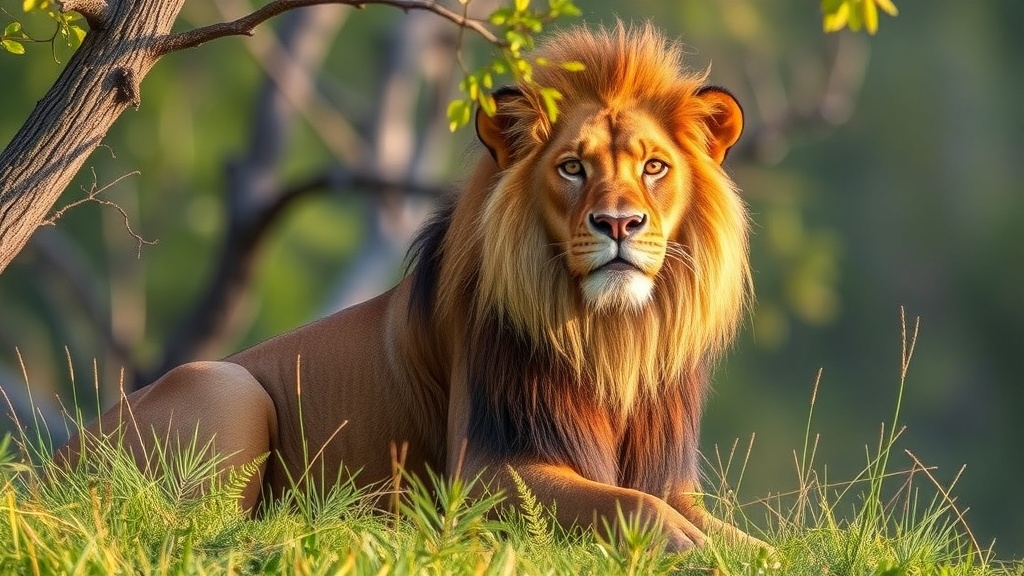
The Most Intelligent Wild Animals on Earth
The natural world is a vibrant tapestry of life, teeming with creatures that inspire awe, wonder, and sometimes, a deep sense of connection. Among the myriad fascinating aspects of the animal kingdom, few captivate our imagination as much as animal intelligence. For centuries, humans have pondered the minds of other species, questioning what defines intelligence beyond our own understanding and how other creatures navigate their complex worlds. Are they merely driven by instinct, or do they possess remarkable cognitive abilities that allow them to solve problems, communicate, learn, and even experience emotions?
This article delves into the captivating realm of wild animal intelligence, exploring the most brilliant minds found across our planet. From the dense rainforests to the vast oceans, we will uncover the astonishing capabilities of species that demonstrate complex problem-solving, sophisticated communication, ingenious tool use, and intricate social structures. Prepare to be amazed as we journey through the diverse ways wild animals exhibit their cognitive prowess, challenging our preconceptions and deepening our appreciation for the intelligent life that shares our Earth.
Defining Animal Intelligence: A Multifaceted Concept
Before we embark on our journey to meet the most intelligent wild animals, it’s crucial to understand that defining and measuring animal intelligence is a complex endeavor. Unlike a simple metric, intelligence in the animal kingdom isn’t a single trait but a mosaic of cognitive skills that allow a species to thrive in its specific environment. What might be considered a hallmark of intelligence for a primate could be entirely different for a bird or a cephalopod.
Key facets of intelligence often observed in animals include:
- Problem-solving: The ability to overcome obstacles, find food, or escape danger through novel solutions, rather than purely instinctual reactions.
- Tool Use: Modifying or utilizing objects from their environment to achieve a goal, such as acquiring food or building shelter. This is a strong indicator of planning and understanding cause and effect.
- Social Learning and Cultural Transmission: Learning from conspecifics (members of the same species), imitating behaviors, and passing down knowledge or traditions across generations. This points to complex social cognition.
- Communication: Employing sophisticated vocalizations, body language, or chemical signals to convey information, express emotions, or coordinate activities.
- Memory: Ranging from spatial memory (remembering locations) to episodic memory (recalling specific past events), essential for navigation, foraging, and social interactions.
- Self-awareness: The ability to recognize oneself as a distinct individual, often tested through the mirror self-recognition test, suggesting a deeper level of consciousness.
- Emotional Intelligence: Exhibiting empathy, understanding the emotional states of others, and engaging in altruistic behaviors.
Our understanding of animal cognition is constantly evolving, with new research revealing surprising depths to the minds of creatures we once dismissed as purely instinctual. It’s a field that prompts us to ask not just “how smart are they?” but “how are they smart?”


